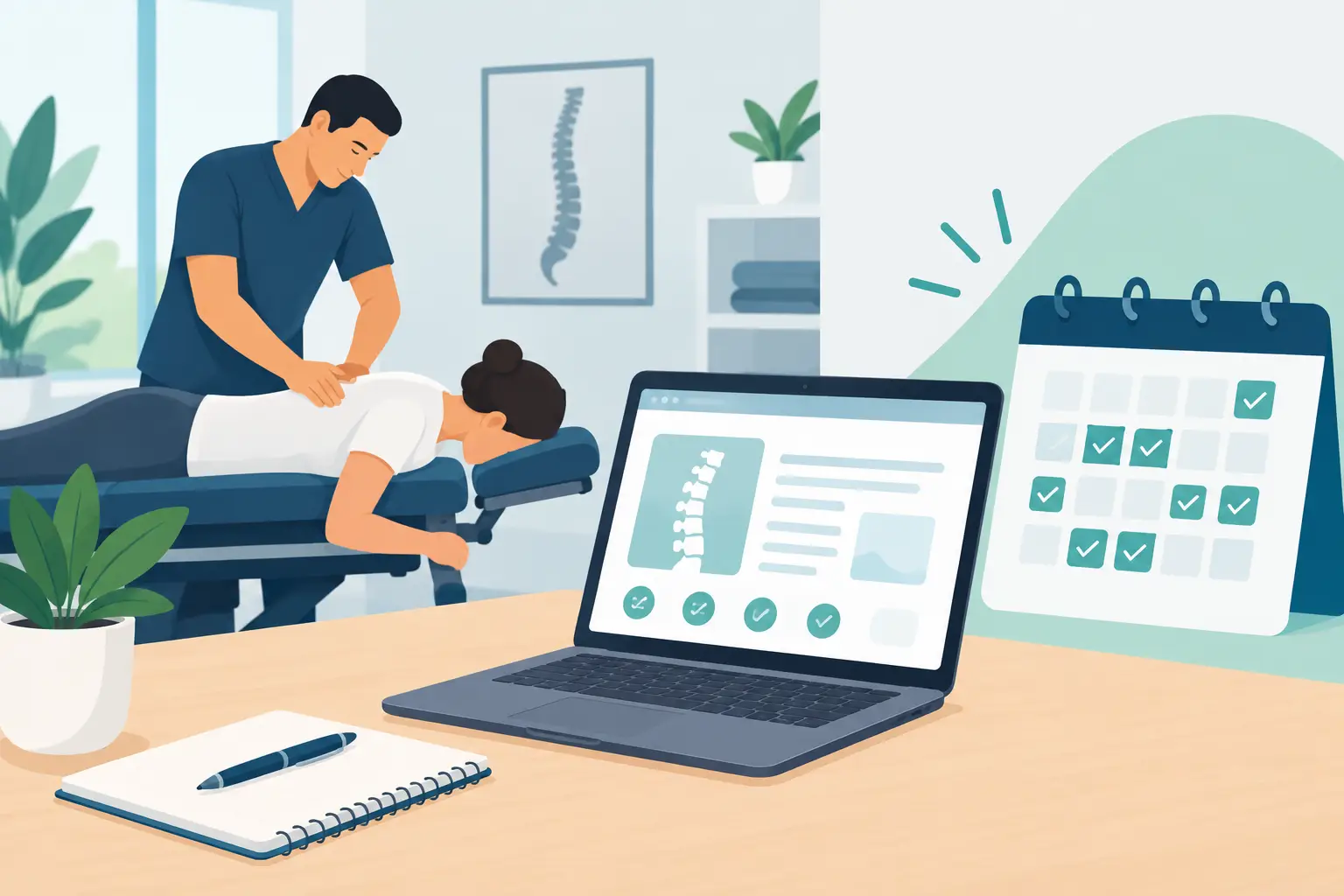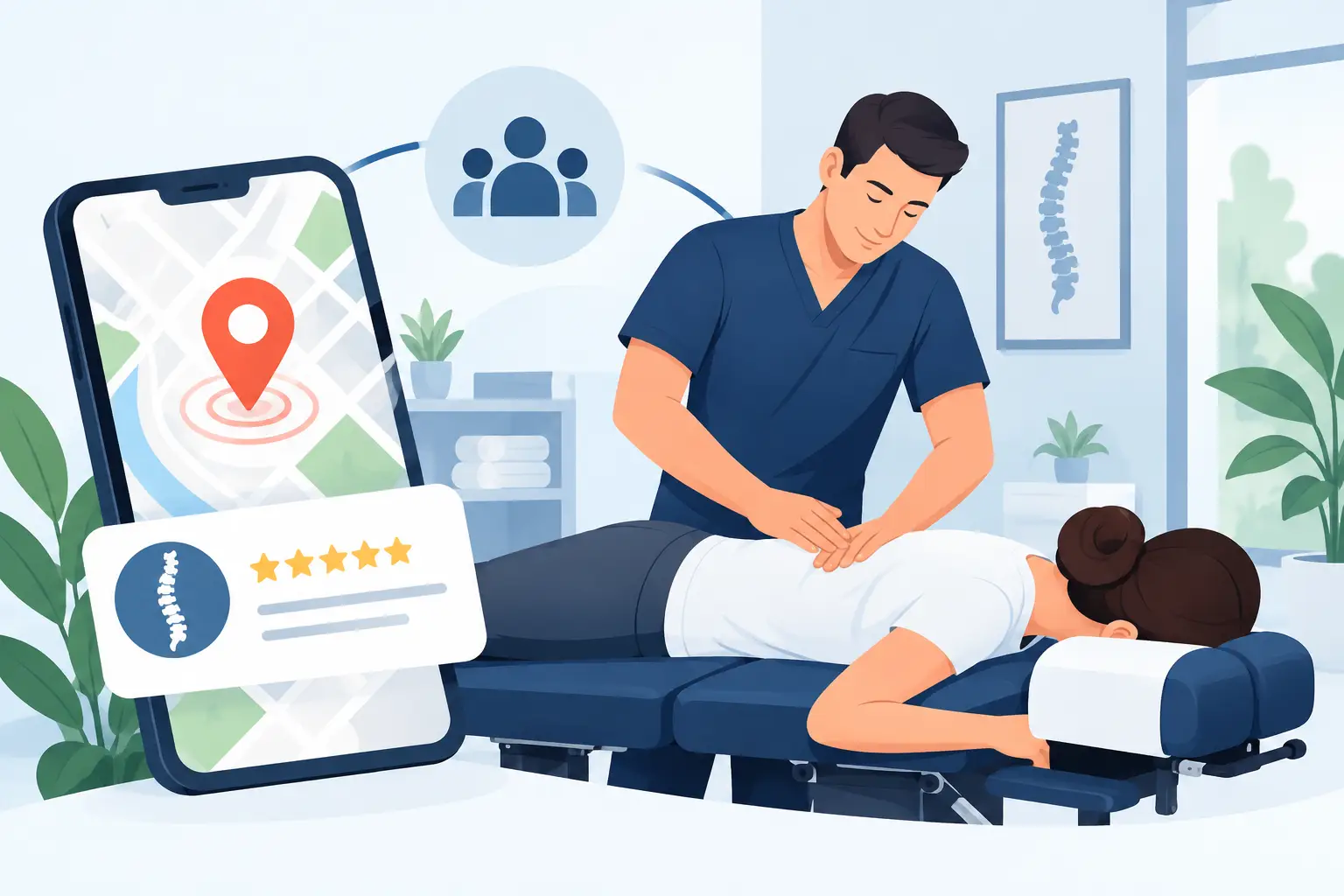
A prospective patient finds your practice at 9:40 p.m., after a long day of low back pain and a frustrating search through competing clinics. They are not comparing your adjusting technique yet. They are deciding whether contacting you feels easy, safe, and worth doing. That is why chiropractic website chat versus forms is not a minor website feature debate. It is a new-patient acquisition decision.
The right answer is rarely chat or forms. High-growth practices use each channel for what it does best, then build a response process that keeps motivated prospects from becoming another clinic’s new patient.
What Website Forms Still Do Extremely Well
A well-designed form gives a patient a clear, low-pressure path to request care. It works around the clock, does not require an immediate staff response, and can collect the information your front desk needs to make the next interaction more productive.
Forms are especially effective for patients who know what they want. Someone searching for a new patient special, prenatal chiropractic, sports injury care, or a second opinion may simply want to request an appointment and move on with their evening. A short form respects that intent.
The problem is not that forms are outdated. The problem is that many chiropractic websites treat them like intake paperwork. A form with eight required fields, a long medical-history question, insurance details, and a generic “Submit” button creates friction before a patient has decided to trust your office.
Your primary lead form should ask for only what your team needs to start the conversation: name, mobile number, email, and a brief reason for reaching out. If you need more clinical or insurance information, collect it later through a secure process after the appointment is scheduled.
Forms also create a reliable record inside your lead-management process. They can trigger internal notifications, follow-up tasks, confirmation messages, and campaign attribution. When a lead comes from Google Ads, organic search, a referral page, or a specific service page, that visibility helps you invest in the channels producing actual new-patient opportunities.
Where Forms Lose Patients
A form becomes a leak when the patient has no idea what happens next. If they submit a request on Friday evening and hear nothing until Monday afternoon, the practice may have technically captured the lead but still lost the patient.
Speed matters, but so does expectation. A strong confirmation page and automatic message should tell the patient their request was received, when they can expect a response, and what to do if they need urgent medical attention. Never imply that a website inquiry is emergency care.
Why Website Chat Can Create More Conversations
Chat reduces the psychological commitment of contacting a chiropractor. Instead of filling out a form that can feel formal or permanent, a visitor can ask a simple question: “Do you take my insurance?” “Can you help with sciatica?” “Do you have appointments this week?”
Those questions are not distractions. They are buying signals. The visitor is looking for a reason to choose your clinic now.
For a chiropractic practice, chat is particularly powerful on high-intent pages. Consider the visitor who lands on a local service page after searching “chiropractor near me,” then hesitates because they have never been adjusted before. A visible chat option can help your practice address common concerns about scheduling, first visits, payment options, and office logistics before the visitor returns to Google.
Live chat can also create a premium first impression when it is handled well. A trained team member who responds promptly, communicates with warmth, and guides the patient toward a scheduled visit turns website traffic into a real human interaction. That is difficult for a static form to match.
But chat is not automatically better. A chat widget that appears on every page, interrupts reading, or promises instant help when no one is available can damage trust. So can an automated bot that gives generic answers to clinical questions or collects sensitive health information in an insecure environment.
The Operational Cost of Chat
Chat requires ownership. Someone must monitor it, answer within a reasonable time, know the approved responses, and move the conversation toward a concrete next step. If your office cannot support live replies during business hours, do not pretend it can.
After-hours automated chat can still be useful, provided it is honest. It should set response expectations, offer simple choices, and capture contact information without attempting to diagnose, recommend treatment, or handle detailed health disclosures. Patients deserve clarity, and your practice needs appropriate privacy safeguards.
Before adding any chat platform, review its privacy and security practices with your compliance advisors. A casual website conversation can become protected health information quickly when a visitor shares symptoms, records, or treatment details.
Chiropractic Website Chat Versus Forms: The Better Strategy
The strongest conversion strategy is usually a two-lane system. Forms serve visitors ready to request an appointment. Chat serves visitors who need a quick answer before they are ready to commit.
Place a prominent appointment-request form or button at key conversion points: your homepage, new patient page, contact page, local landing pages, and paid advertising landing pages. Keep the call to action specific. “Request Your New Patient Appointment” is stronger than “Contact Us” because it tells visitors exactly what they are starting.
Then use chat selectively to support hesitation. It belongs where questions naturally arise, such as service pages, insurance or payment pages, and pages designed for first-time patients. The goal is not to force every visitor into a conversation. The goal is to remove the barrier that is preventing the right visitor from taking action.
This approach protects staff time, too. A form can route routine appointment requests directly into your scheduling workflow. Chat can handle the uncertainty that would otherwise cause abandonment. Each channel has a job.
Measure Scheduled Patients, Not Just Leads
A website chat tool can produce impressive conversation counts. A form can produce a high submission total. Neither metric tells you whether your website is growing the practice.
Track leads by source, response time, appointment scheduled, show rate, and new patient revenue whenever possible. If chat generates many questions but few booked visits, the issue may be weak scripting, slow response, poor targeting, or a chat placement that attracts unqualified traffic. If forms generate leads that never answer the phone, your follow-up sequence may need attention.
Your front desk is part of this conversion system. Give the team simple standards for both channels: who responds, how quickly, which questions they can answer, when to offer available appointment times, and how follow-up is documented. Marketing brings the opportunity. Operational discipline converts it.
A useful benchmark is not whether chat beats forms in a software dashboard. It is whether your practice makes it easier than the clinic down the street for a qualified prospect to get a helpful answer and reserve a visit.
Build for Patient Intent, Then Improve It
There is no universal winner because clinics differ. A single-provider office with a small team may get better results from a fast, tightly managed form process than from unattended chat. A larger multi-provider practice with dedicated call coverage may capture substantial value from live chat, especially in competitive metro markets.
Start with the patient journey. Review your website on a phone, because that is where many local searches happen. Can a first-time visitor understand what you treat, why your practice is credible, where you are located, and how to take the next step within seconds? Does the contact experience feel as polished as the brand you are trying to build?
Then test one meaningful improvement at a time. Shorten the form. Clarify the call to action. Add chat to a high-intent page. Improve after-hours messaging. Measure scheduled appointments before declaring a winner.
Your competitors are not waiting for patients to become more patient. Give prospective new patients a direct path to book, a helpful path to ask, and a front-office response that proves your practice is ready to earn their trust.