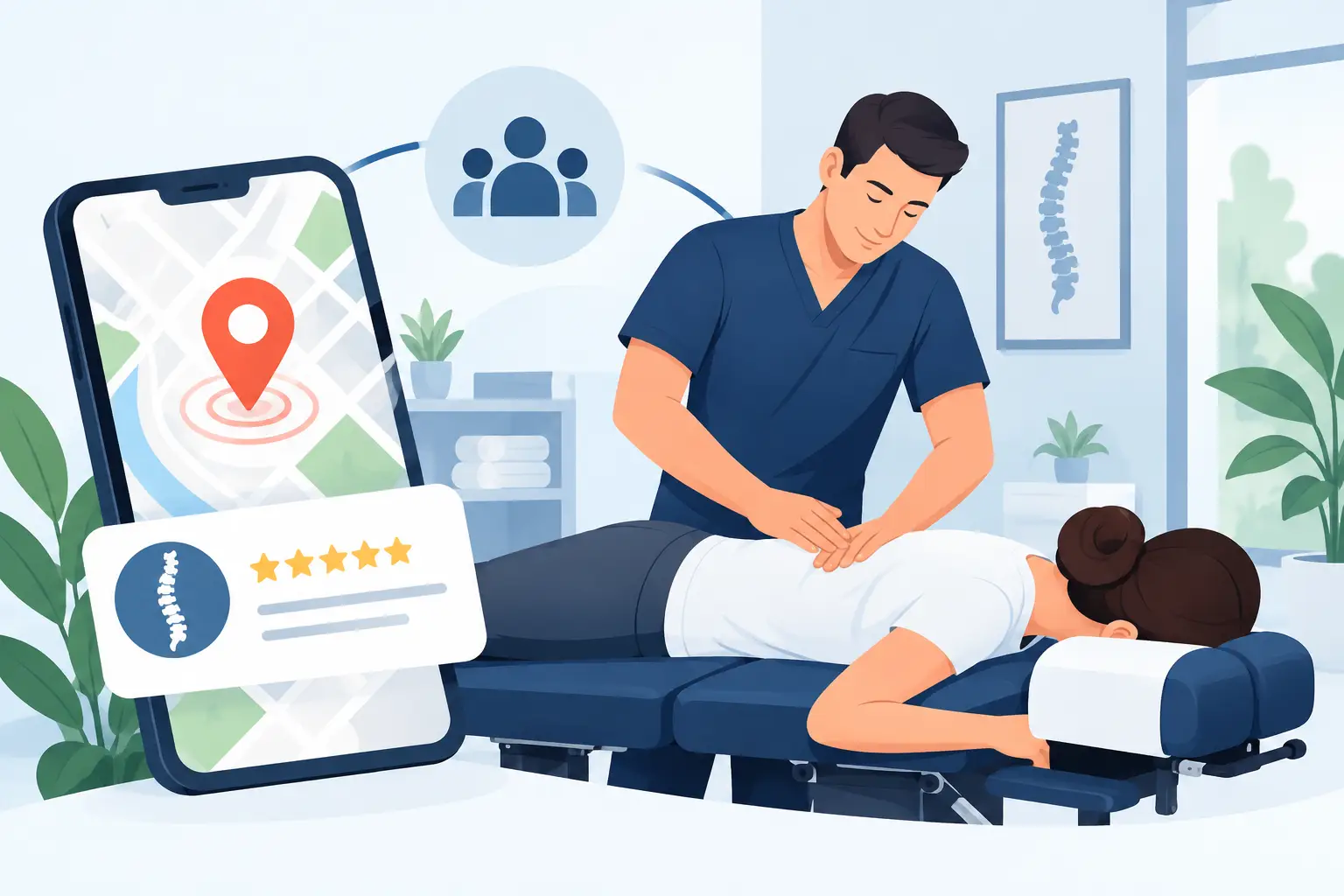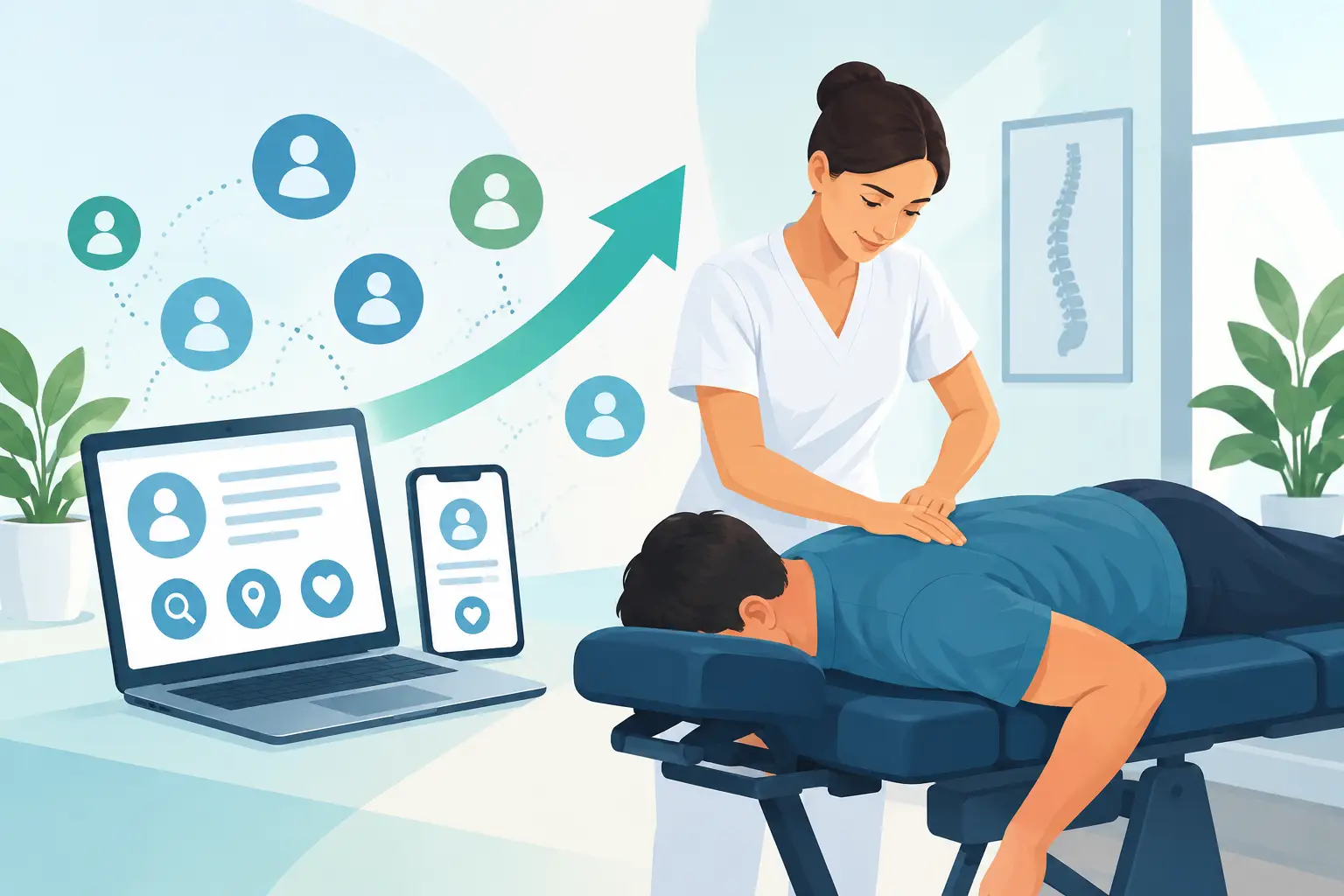
A prospective patient does not search the way they did two years ago. They may still type “chiropractor near me” into Google, but they are increasingly asking AI-powered search tools which office accepts their insurance, treats their specific concern, has strong reviews, and can get them in this week. The chiropractic AI trends that matter most are not about replacing a chiropractor. They are about winning the moment a local patient decides who looks credible, convenient, and worth contacting.
For practice owners, that creates an immediate competitive divide. One clinic treats AI as a novelty and publishes generic content that says little. Another builds a recognizable brand, maintains accurate local information, produces useful patient education, responds quickly to inquiries, and gives search systems clear evidence that it is the trusted choice in the market. The second clinic is positioned to capture more qualified new-patient leads.
Chiropractic AI Trends Are Reshaping Patient Discovery
AI is changing search from a list of blue links into an answer engine. Google has expanded AI-generated search experiences, while consumers are also using conversational platforms to compare providers and ask health-related questions. These systems pull from the information they can find and interpret across your website, Google Business Profile, reviews, local directories, social presence, and third-party mentions.
That means visibility is no longer just a rankings problem. It is a credibility-and-clarity problem. If your practice information is inconsistent, your services are vague, or your website reads like every other clinic in town, AI systems have little reason to identify you as a strong recommendation.
A clinic that wants to compete should make its differentiators easy to understand. Are you known for family chiropractic, sports injury care, prenatal care, corrective care, same-day appointments, or a premium patient experience? State it clearly, support it with relevant pages and patient-facing education, and make sure your local business information matches everywhere it appears.
The trade-off is that chasing every new AI platform is a waste of time. Your first priority is still the foundation: a fast, conversion-focused website, an optimized Google Business Profile, consistent reputation management, and useful local content. AI visibility compounds from that work. It does not replace it.
Search content must answer real patient questions
Generic pages stuffed with “best chiropractor” language are becoming less valuable. AI systems are designed to interpret context, and patients are looking for direct answers. Your content should address the questions a nervous, busy, or skeptical prospect actually asks before booking.
For example, a page about auto accident chiropractic care should explain what a new patient can expect, how soon they may be able to get an appointment, what documentation may be needed, and when the office works alongside other providers. A page about prenatal chiropractic should speak to comfort, qualifications, and the patient experience without making unsupported clinical claims.
This is where many practices miss the opportunity. They publish for an algorithm rather than for the person deciding whether to call. Strong content does both: it gives search systems meaningful context and gives patients confidence to take the next step.
AI Will Raise the Standard for Speed to Lead
The most profitable AI use case for many chiropractic offices is not content generation. It is response time.
A lead who submits a form after hours may contact three other clinics before your front desk arrives the next morning. AI-assisted chat, text routing, call summaries, and intake workflows can help your team acknowledge the inquiry, collect basic nonclinical details, and move the prospect toward a scheduled appointment faster.
Used correctly, automation protects your staff from repetitive administrative work. It can organize inquiries, flag missed calls, draft follow-up messages, and help front-desk teams prioritize leads that need attention. That can translate into fewer leaks between marketing spend and booked visits.
But speed without judgment can damage trust. A chatbot should not diagnose conditions, promise outcomes, or provide individualized clinical advice. It should also never become a barrier between an anxious patient and a real person. The best approach is a clear handoff: automation handles simple scheduling and office questions, while trained staff manage sensitive concerns, insurance nuance, and patient-specific conversations.
Smarter Marketing Operations, Not Automated Marketing Noise
AI can also make a chiropractic marketing program more efficient behind the scenes. It can identify patterns in call transcripts, surface frequently asked questions, help organize campaign reporting, draft starting points for social captions, and reveal which service lines create the strongest lead quality.
That does not mean every clinic should flood its channels with machine-written posts. Patients can spot recycled, empty content. So can competitors. If every post sounds polished but says nothing specific about your office, your staff, your patients, or your community, it will not build a local brand.
The clinics gaining ground will use AI to accelerate production while keeping human strategy in control. A marketing team can use it to turn a month of front-desk questions into content themes, then shape those themes around the practice’s actual voice, clinical boundaries, and growth priorities. That is far more valuable than publishing 30 interchangeable captions about posture.
For paid advertising, AI-driven campaign tools can improve targeting and bidding, but they still require oversight. Bad creative, weak landing pages, and slow follow-up will not be fixed by smarter automation. If ads produce inquiries from people who never schedule or never show, the problem may be your offer, intake process, targeting, or messaging – not the ad platform.
Patient Trust Is the Non-Negotiable Trend
Healthcare-adjacent marketing carries higher stakes than selling shoes or software. Chiropractic practices must be cautious with protected health information, patient privacy, testimonials, and clinical claims. Before placing any patient information into an AI tool, verify the platform, your agreements, your workflow, and the compliance requirements that apply to your practice.
The same restraint applies to AI-generated educational content. It should be reviewed by someone who understands the practice and can ensure it reflects accurate, responsible messaging. A fast content workflow is not worth publishing claims that create legal exposure or weaken patient confidence.
Trust also shows up in smaller details. Are your hours correct? Does your online booking information match what happens when someone calls? Are your reviews answered professionally? Does your website clearly explain what a first visit looks like? AI may influence how patients find you, but those details determine whether they choose you.
Your brand is the answer AI cannot invent
As AI makes it easier for every clinic to produce passable marketing, a distinct brand becomes more valuable. Premium design, consistent messaging, professional photography, clear service positioning, and a credible patient experience are no longer cosmetic upgrades. They are competitive assets.
A recognizable practice gives patients something to remember after they close a search tab. It also gives AI-powered systems clearer signals about who you are and why you are relevant. If your clinic is interchangeable with every other chiropractor in the ZIP code, you will compete on proximity, price, and whoever replies first. That is a difficult way to build a durable practice.
MyChiroPractice helps chiropractic offices connect local search visibility, stronger positioning, paid acquisition, and patient education into one growth system. The goal is not to add more marketing activity. The goal is to create a market presence that turns attention into scheduled new patients.
The practical move now is to audit the patient journey your competitors are already fighting for: what a prospect sees in search, what they learn on your site, how quickly they hear back, and what convinces them to choose your office. Fix the weak link before another clinic makes AI work in its favor.