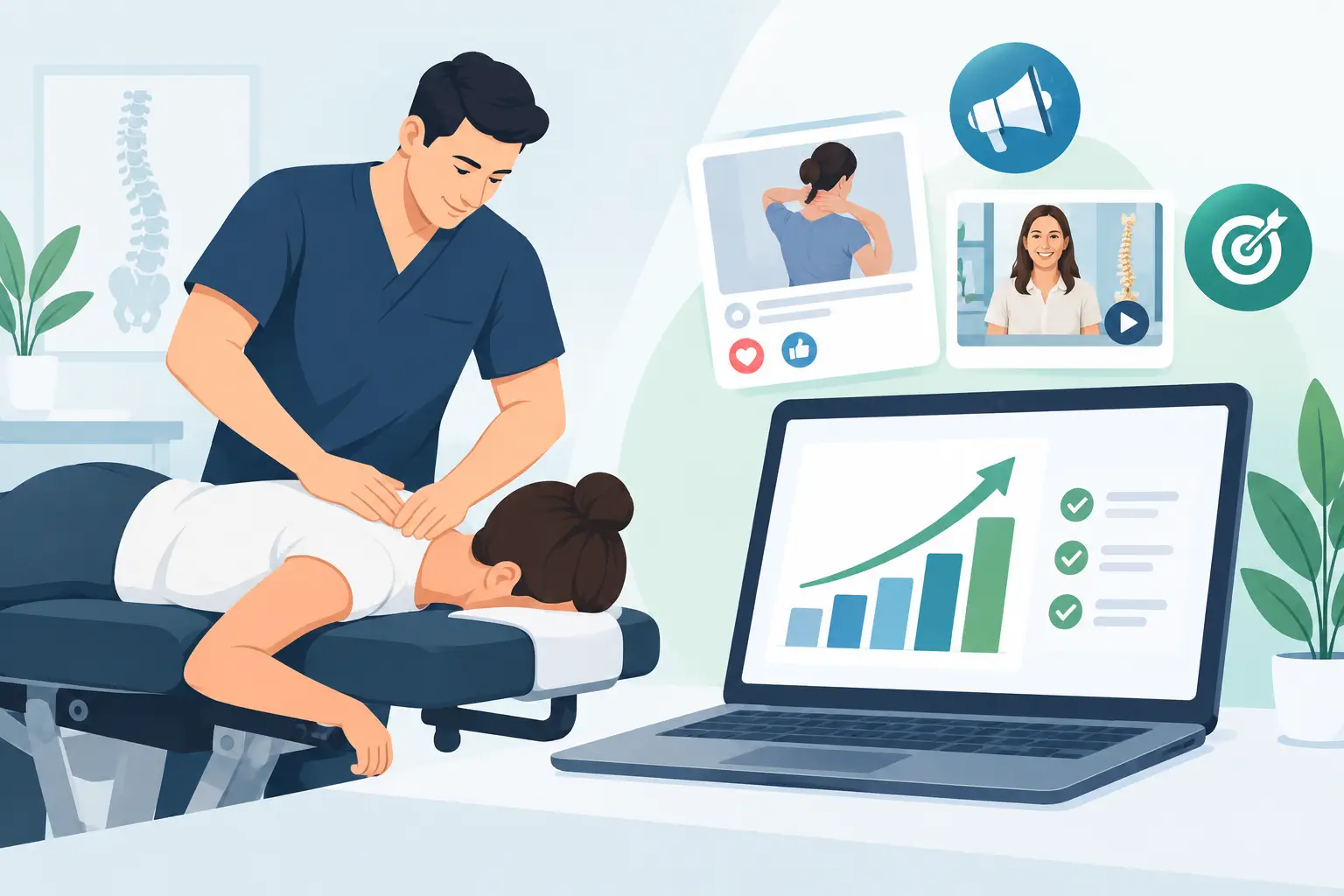
A new patient submits a form at 8:42 p.m. after comparing three local chiropractors. By 8:45, they have received a helpful response from the competitor who contacted them first. Your front desk plans to call tomorrow morning, but the decision is already moving away from your practice.
That is why practices that want to protect their marketing investment must automate chiropractic lead follow-up. This is not about replacing your team with generic messages. It is about making sure every qualified inquiry receives a fast, relevant next step before interest cools and a competing clinic wins the appointment.
The Cost of Slow Chiropractic Lead Follow-Up
Your Google Ads, local SEO, website, Facebook campaigns, and referral sources all produce leads with a short attention window. Most prospective patients are not casually researching for weeks. They are in pain, concerned about a recent injury, looking for a provider who takes their insurance, or trying to find an available appointment that fits their schedule.
When a lead waits hours or days for a response, they do not interpret the silence as a staffing issue. They interpret it as a sign that the practice may be difficult to reach, difficult to schedule with, or not especially interested in earning their business.
The problem is often not lead volume. It is lead leakage. A clinic can spend aggressively to dominate local search, generate dozens of form fills, and still underperform because no one owns the follow-up process after the lead arrives.
Automation creates consistency at the exact moment consistency matters most. It gives your front desk a head start, alerts the right person, and keeps prospective patients moving toward a scheduled new patient exam.
What It Means to Automate Chiropractic Lead Follow-Up
A strong automated system does not blast every inquiry with the same five messages. It connects your lead source, contact information, scheduling options, staff notifications, and patient communication into one organized workflow.
For example, a prospective patient who requests an appointment from your website should receive an immediate text or email acknowledging the request, setting expectations, and offering a clear next action. At the same time, the front desk should receive an alert with the lead’s name, source, reason for care, preferred contact method, and any details submitted through the form.
If the person does not schedule or respond, the system can send timely, helpful reminders. Once they book, the workflow should shift from lead nurturing to appointment confirmation and pre-visit preparation.
The distinction matters. Automation should feel like a responsive extension of your practice, not a cold sales sequence from a company that has never treated a patient.
Start With Speed, Then Add Persistence
The first response is the most valuable automated message in your sequence. It should arrive within minutes, not at the end of the day. Keep it simple, professional, and easy to act on.
A new patient lead may receive a message such as: “Thanks for contacting our office. We received your request and a member of our team will be in touch shortly. If you would like to schedule now, reply with your preferred day and time.”
That message reassures the patient that their request was seen. It also gives motivated leads a friction-free way to continue the conversation.
If there is no response, follow-up should continue without becoming excessive. A practical sequence may include a prompt first reply, a check-in the next business day, a final availability-focused message several days later, and a longer-term reactivation message for leads who were interested but not ready to book.
Build a Workflow Around the Real Patient Journey
Before selecting software, map how leads actually move through your practice. The best system is the one your staff will use consistently and your patients will understand immediately.
A high-performing workflow usually includes these five stages:
- Lead capture: Website forms, phone calls, chat inquiries, social-media messages, Google Business Profile contacts, and paid-ad leads flow into one trackable location.
- Immediate acknowledgment: The prospect receives a fast text or email confirming their inquiry and explaining what happens next.
- Staff notification and assignment: A specific team member is alerted to call, text, or review the inquiry. No lead should sit in a shared inbox without ownership.
- Persistent follow-up: Automated messages support staff outreach until the lead schedules, declines, becomes unreachable, or is placed into a long-term nurture sequence.
- Conversion and reactivation: Booked patients receive confirmations and reminders. Unbooked leads can be re-engaged later with relevant availability or educational messaging.
The exact timing depends on your market and patient type. An acute auto injury or severe pain lead may require near-immediate personal outreach. A wellness-oriented lead may be more likely to schedule after a few educational touchpoints. Treat every lead source the same, and you will miss opportunities to improve conversion.
Use Messages That Sound Like Your Practice
Automation fails when it sounds automated. Prospective patients can spot vague language instantly: “Thank you for your interest in our services” does little to reduce uncertainty or motivate action.
Your follow-up should reflect your positioning. If your clinic is known for family care, sports injury treatment, corrective care, or a premium whole-body approach, the message should reinforce that identity. It should also answer the questions patients are quietly asking: Can you help with my issue? How soon can I get in? What should I expect? Is this office responsive?
Keep text messages brief. Use email for more detail, such as new patient instructions, what to bring, office location information, or educational material that prepares the patient for care. In either channel, use a direct next step: call the office, reply to the text, or choose an appointment time.
Avoid overpromising clinical outcomes. Strong marketing does not require inflated claims. It requires clear communication, credible positioning, and a fast path to becoming a patient.
Make the Front Desk Better, Not Busier
Some chiropractors resist automation because they worry it will make care feel impersonal. That concern is valid when the system is designed poorly. But a well-built workflow does the opposite: it removes repetitive chasing so your team can spend more time having real conversations with people who need help.
Automation can handle the immediate acknowledgment, reminders, task creation, missed-call text-back, and status tracking. Your team should handle questions about care, insurance, availability, and the personal reassurance that turns hesitation into a booked appointment.
Set clear rules for handoff. If a lead replies to an automated text, who responds? If someone submits a form after hours, when does a staff member call? If a lead cannot be reached after several attempts, what status do they receive? A workflow without accountability is simply a collection of software features.
Review call recordings, response times, contact rates, scheduled visits, show rates, and cost per booked patient. These numbers reveal whether your issue is marketing quality, front-desk execution, appointment availability, or messaging. Guesswork is expensive when you are paying for every lead.
Protect Patient Trust and Stay Compliant
Texting and email can be powerful follow-up tools, but they require discipline. Obtain appropriate consent for text communications, honor opt-out requests promptly, and use messaging practices that respect patient privacy. If your systems handle protected health information, make sure your vendors, settings, and workflows are appropriate for your compliance obligations.
Do not put sensitive health details into a casual text sequence. Keep messages focused on scheduling, general next steps, and office communication. For clinical discussions, move the conversation to the proper channel.
Your automation should also reflect business hours honestly. An after-hours message can confirm receipt and set expectations for the next response. It should not create the impression that a clinician is actively monitoring the conversation if that is not the case.
Where Most Practices Lose the Opportunity
The most common failure is treating a form submission as the finish line. It is only the beginning of the sales process. Another frequent mistake is allowing different lead sources to follow different, undocumented paths. Google Ads leads get called, Facebook leads get ignored, website leads go to email, and missed calls disappear into voicemail.
A unified process changes that. Every lead is tagged by source, every lead gets a fast first response, and every lead has a defined outcome. That gives you the visibility to identify which campaigns produce the best patients and which parts of your operation need attention.
MyChiroPractice helps chiropractic practices connect high-converting patient acquisition with the follow-up infrastructure required to turn attention into scheduled new patient visits. The goal is not more inquiries sitting in a spreadsheet. The goal is a stronger pipeline, a more accountable team, and a practice that responds faster than the clinic down the street.
Your next lead is already comparing options. Give them a reason to believe they found the right office before your competitor gets the chance.