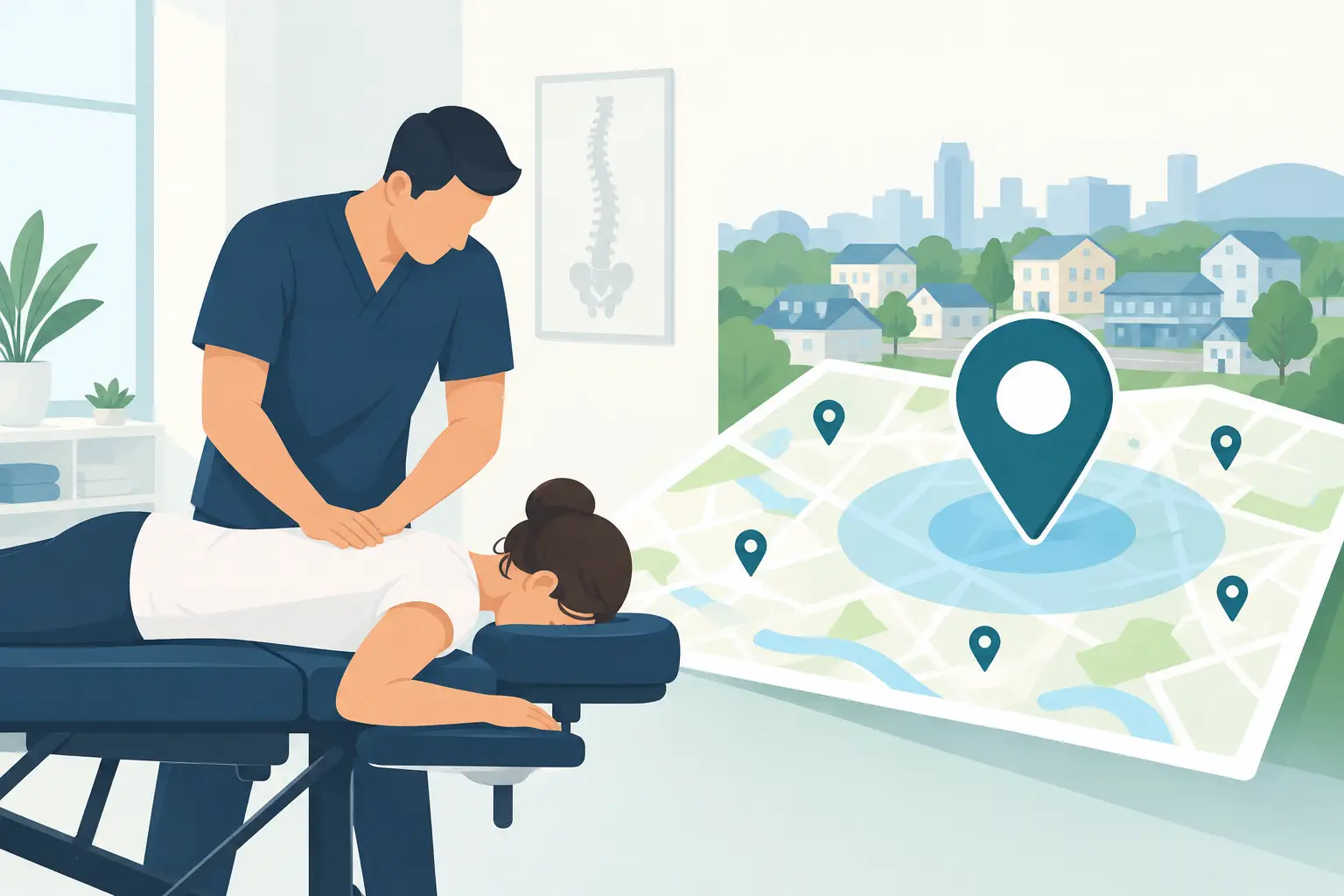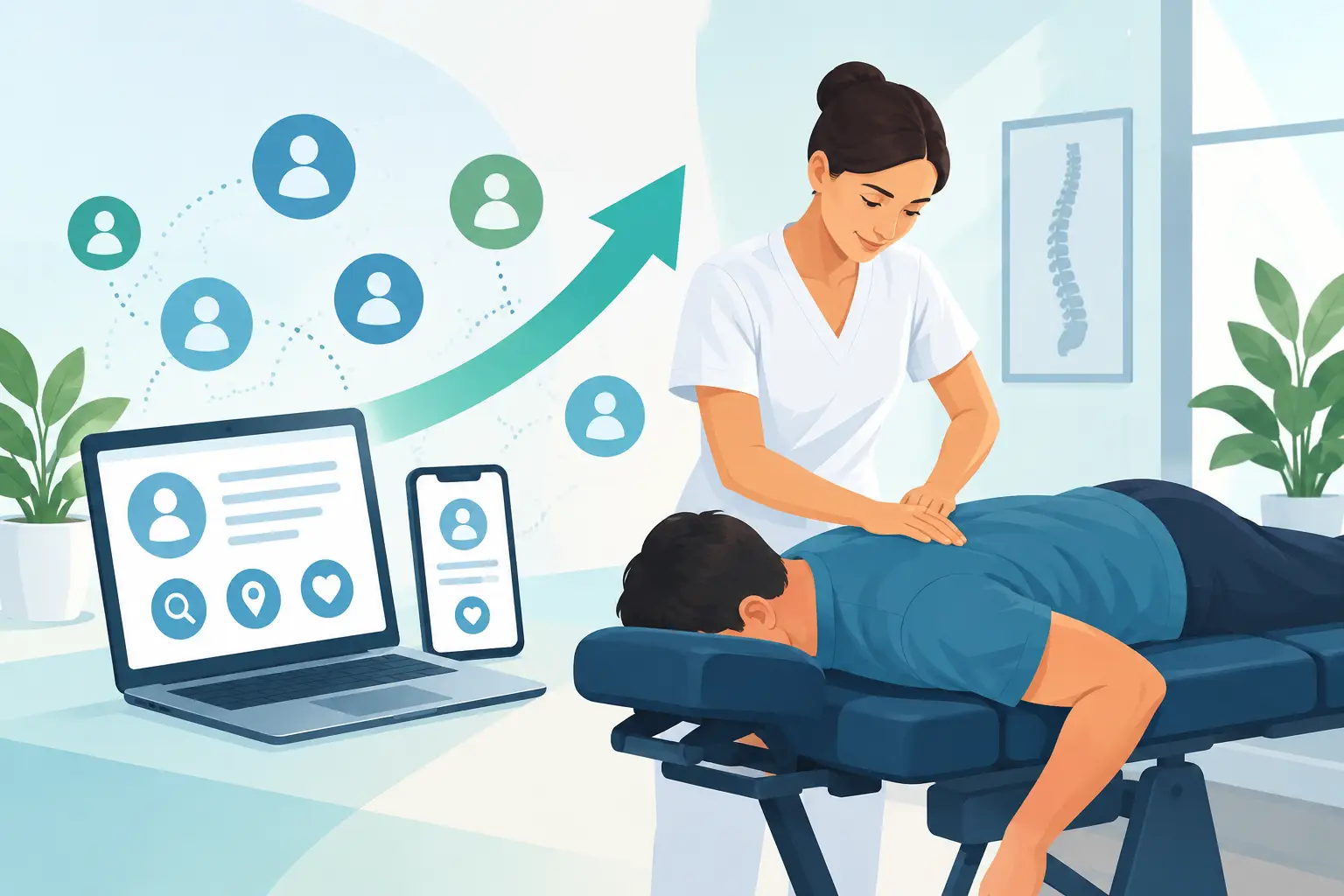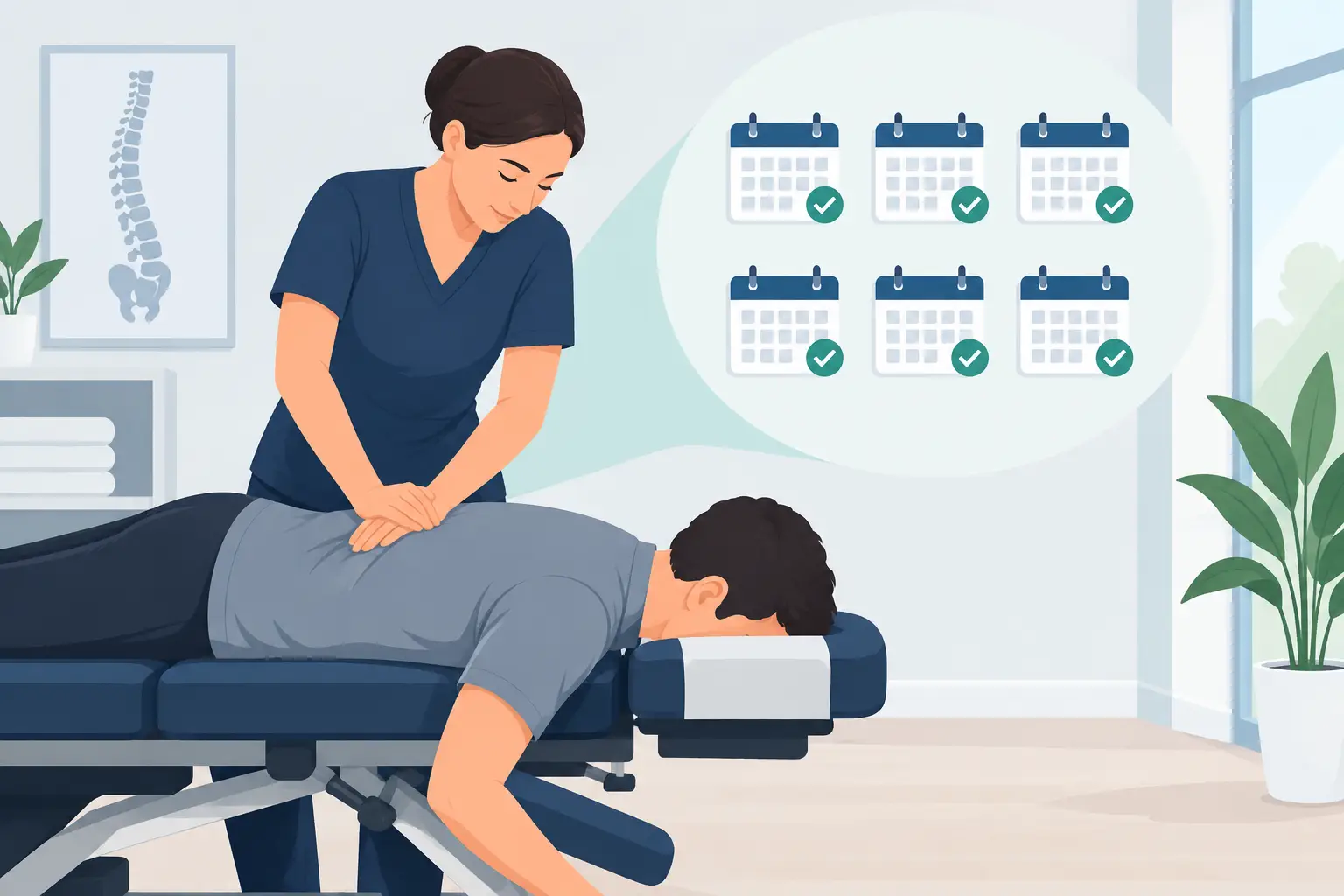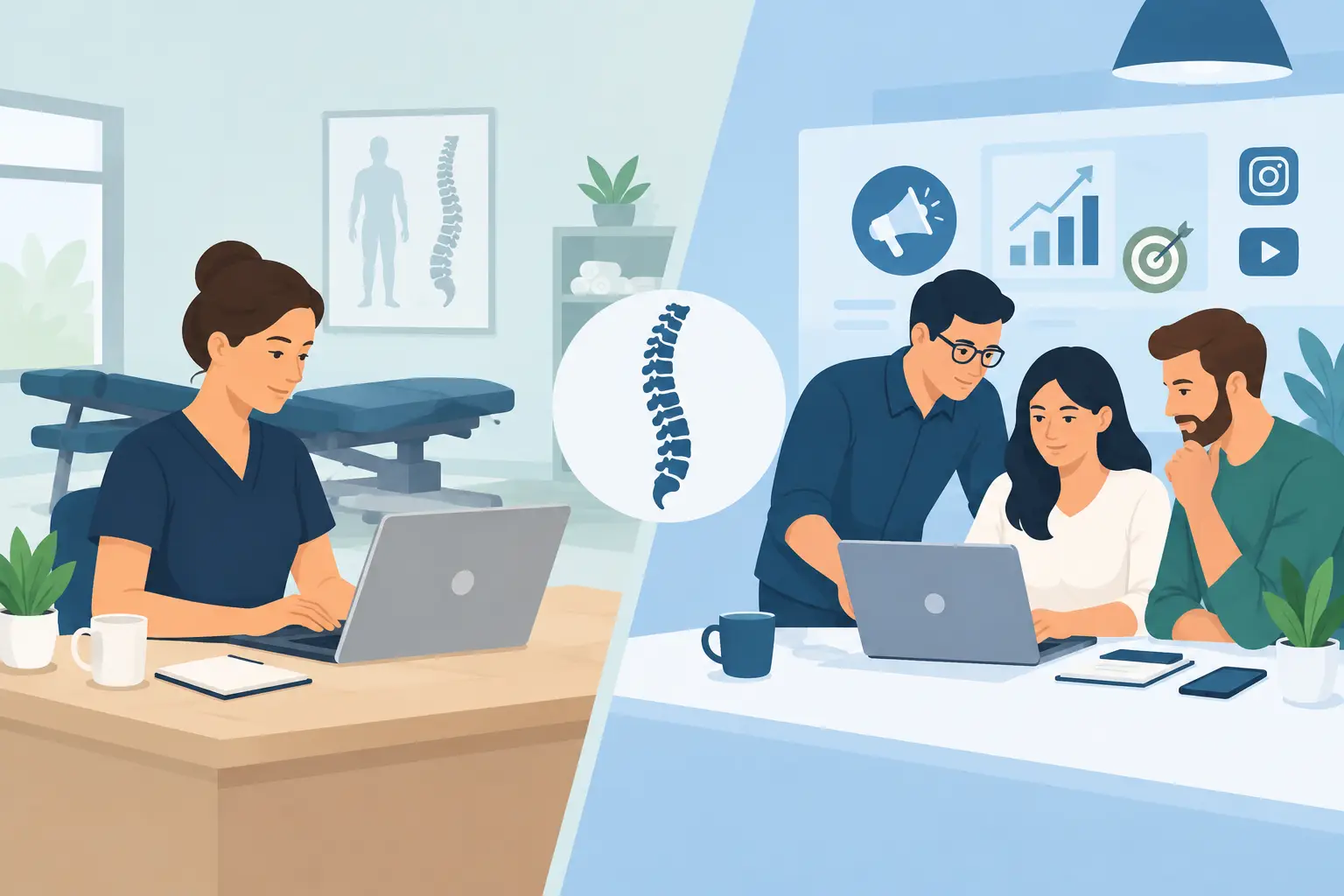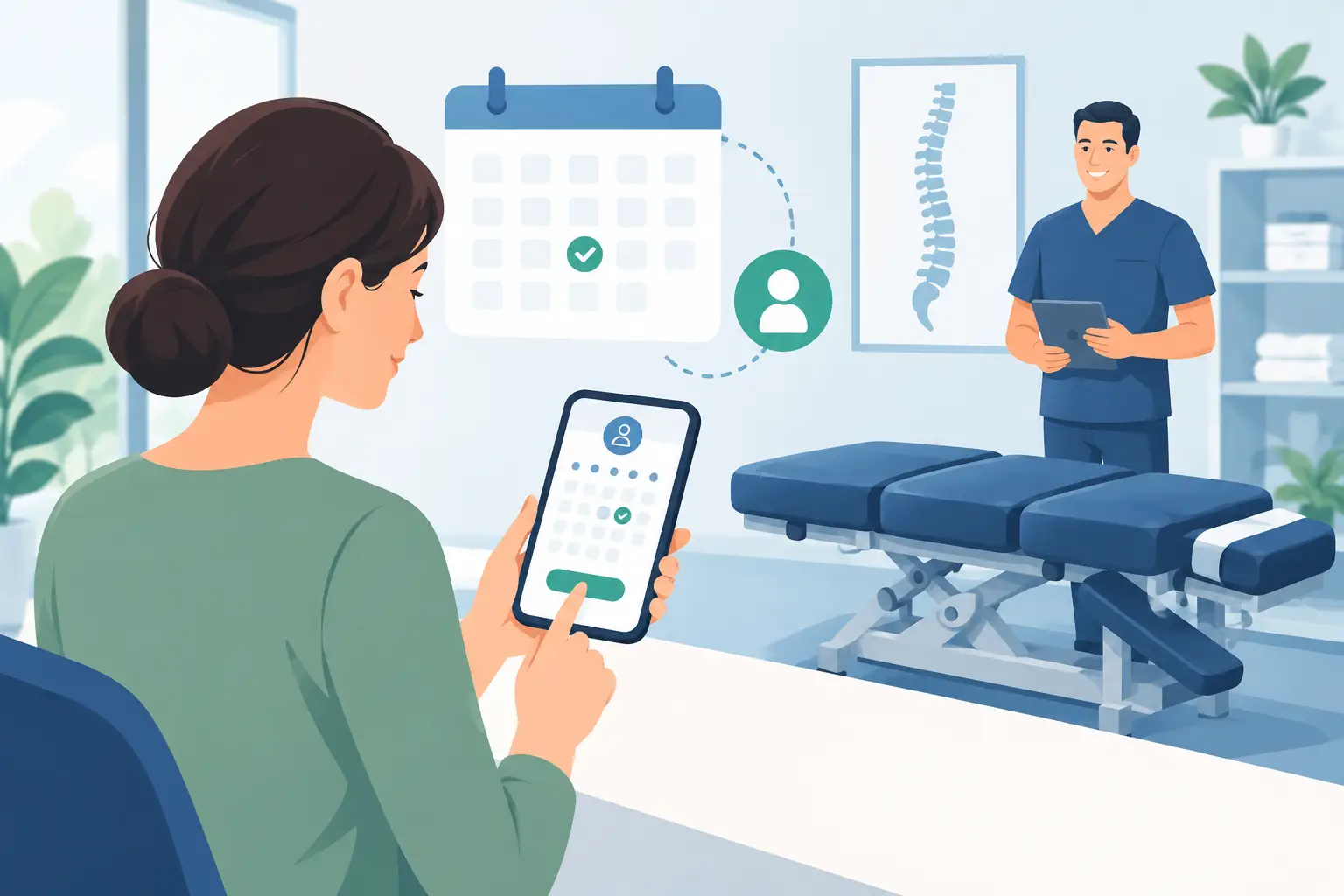
A prospective patient feels a sharp pull in their low back on a Tuesday morning. They do not search for “a chiropractic brand with a compelling mission.” They search for a chiropractor nearby, scan the map results, read a few reviews, check whether the website looks credible, and make a decision quickly. Local advertising determines whether your practice is part of that decision or invisible while a competitor takes the appointment.
For chiropractic practices, this is not about buying attention everywhere. It is about owning the moments when people in your service area are actively looking for help, reassurance, and a clear next step. The clinics that win locally align their message, media, reputation, and patient experience around one goal: becoming the obvious choice in their market.
What Local Advertising Means for a Chiropractic Practice
Local advertising is any paid or promotional effort designed to put your practice in front of people within a defined geographic area. That can include Google Ads, Facebook and Instagram campaigns, local sponsorships, direct mail, community partnerships, streaming TV, and patient-facing materials inside the clinic.
The best channel depends on the market and the goal. A practice opening a new location may need broad local awareness. A mature clinic in a competitive suburb may need aggressive Google Ads coverage for high-intent searches. A family-focused office with strong referrals may get more value from retargeting, social proof, and community visibility than from chasing every generic keyword.
The mistake is treating every local channel as interchangeable. Someone searching “chiropractor near me” is already close to booking. Someone seeing a short video on Facebook may not be in pain today, but could remember your practice when they are. Both audiences matter, but they require different offers, creative, budgets, and expectations.
Start With the Territory You Can Actually Win
Your service area is not simply a radius around the office. It is shaped by drive time, traffic patterns, insurance participation, local demographics, competitor density, referral sources, and the kind of care you want to attract.
A corrective-care practice may draw patients from farther away than a walk-in pain-relief clinic. A multi-provider office can justify a wider footprint because it has the capacity to handle more demand. A practice in a dense metro area may need neighborhood-level targeting, while a rural office may market across several towns.
Before launching campaigns, identify three groups: your primary zone, your expansion zone, and the areas you should not pay to pursue. Your primary zone includes the neighborhoods and ZIP codes most likely to produce profitable, consistent new patients. Your expansion zone contains nearby areas with opportunity but more friction, such as longer drive times or heavier competition. The third group matters because wasted clicks from outside your practical market can drain a budget without building a patient base.
This is where many campaigns lose momentum. The targeting is broad, the message is generic, and the practice receives leads that are unlikely to schedule or show. Better geographic strategy improves lead quality before your front desk ever picks up the phone.
Use Google Ads to Capture Active Demand
Google Ads should often be the first paid channel for a chiropractic office that needs new patient opportunities now. Search ads reach people who are already raising their hands. They are looking for care, comparing clinics, checking insurance options, or seeking a solution for a specific condition.
But visibility alone is not enough. If your ad sends every visitor to a generic homepage, you are forcing a motivated prospect to keep searching for information. That friction costs appointments. A strong campaign directs the person to a focused page that reinforces the exact reason they clicked, explains what to expect, offers proof, and makes scheduling simple.
Your message must also reflect the search. A campaign around auto accident injuries should not land on the same page as a campaign for prenatal chiropractic care. The patient concerns, urgency, and required trust signals are different. Matching the ad, landing page, and follow-up process is how you turn traffic into booked visits.
Do not judge Google Ads only by cost per click. Track calls, forms, booked appointments, show rates, new patient starts, and revenue. A lower-cost lead is not a win if your team cannot reach the person or if the offer attracts price shoppers who never begin care. The right metric is profitable patient acquisition, not cheap form submissions.
Protect Your Budget From Bad-Fit Clicks
Search advertising requires active management. Negative keywords help prevent your practice from paying for searches related to jobs, schools, free services, unrelated medical specialties, or research-only inquiries. Geographic exclusions reduce spend outside your service area. Call tracking and recorded call reviews expose whether a campaign issue is truly advertising or a front-desk conversion problem.
That last point matters. A strong ad campaign cannot compensate for unanswered calls, slow text responses, or a receptionist who gives uncertain answers about new patient availability. Marketing creates the opportunity. Your operations determine whether it becomes revenue.
Build Demand With Social Media Advertising
Facebook and Instagram advertising work differently from search. These platforms are built for interruption, which means the creative has to earn attention before it can earn a click. A stock photo of a smiling model and a vague “Feel Better Today” headline will rarely separate your clinic from the noise.
Effective local social ads give people a reason to care. That may be an educational video from the doctor, a patient-centered explanation of what happens during a first visit, a clear offer for a new patient exam, or a short story that speaks to a common local audience such as desk workers, parents, athletes, or commuters.
Keep claims responsible and credible. Chiropractic advertising should never rely on inflated promises, fear-based messaging, or outcomes you cannot substantiate. Confidence is persuasive when it is supported by clarity. Show the office. Let patients see the doctor. Explain the process. Make it easy to understand who you help and why your practice is different.
Social ads are especially valuable for retargeting. A person may visit your site from Google, get distracted, and forget to book. Retargeting keeps your practice visible while they continue evaluating options. It is not a substitute for high-intent search, but it can improve the return from the traffic you already paid to acquire.
Make Every Local Impression Look Like the Same Practice
A patient’s trust is formed across dozens of small signals. Your Google ad, social video, review profile, website, exterior signage, appointment reminder, clinic poster, and front-desk materials should all communicate the same level of professionalism.
When the brand looks inconsistent, patients feel uncertainty even if they cannot explain why. A polished website paired with outdated printed materials or generic social posts creates a credibility gap. In healthcare, where people are deciding who will guide their care, that gap can cost you the appointment.
This is why local advertising cannot be separated from brand strategy. The strongest practices do not just run ads. They build recognizable local healthcare brands. Their message is specific, their visual identity is consistent, and their patient education continues after the first visit.
For example, an in-office spine chart or educational TV slide is not merely decor. Used well, it reinforces the conversation patients are having with your team. It gives them a clearer understanding of their care and a more tangible reason to follow through. That can support retention, referrals, and the long-term value of every lead your advertising produces.
Measure What Happens After the Lead
Many chiropractic practices know how many leads they received last month but cannot say how many became patients, how many completed care plans, or which sources generated the highest value. That makes it difficult to scale with confidence.
Build a reporting rhythm that connects ad spend to business outcomes. Review lead volume weekly, but examine booked appointments, show rates, close rates, and patient value monthly. Segment the data by campaign, location, service line, and lead source where possible. Patterns become visible quickly: one campaign may generate fewer leads but better cases, while another creates a flood of calls that your team struggles to convert.
Do not make major budget decisions based on a few days of performance. Local markets fluctuate, platforms need data, and patient behavior changes by season. At the same time, do not let weak campaigns run indefinitely because “marketing takes time.” A capable strategy tests, learns, and reallocates quickly.
Stop Advertising Like Every Other Clinic
The clinics gaining market share are not waiting for organic rankings, referrals, or a slow season to improve. They are investing in visibility while competitors rely on hope and occasional posts.
Your practice does not need to be everywhere. It needs to be highly visible in the places where local patients make decisions, with a message strong enough to make choosing you feel easy. If your current advertising creates clicks but not consistent new patient growth, the issue is usually not effort. It is the strategy connecting your targeting, offer, creative, website, and follow-up.
MyChiroPractice helps chiropractic offices turn those moving parts into a coordinated growth system built to compete in their local market. The next patient searching nearby will choose someone. Make sure your practice gives them a compelling reason to choose you.