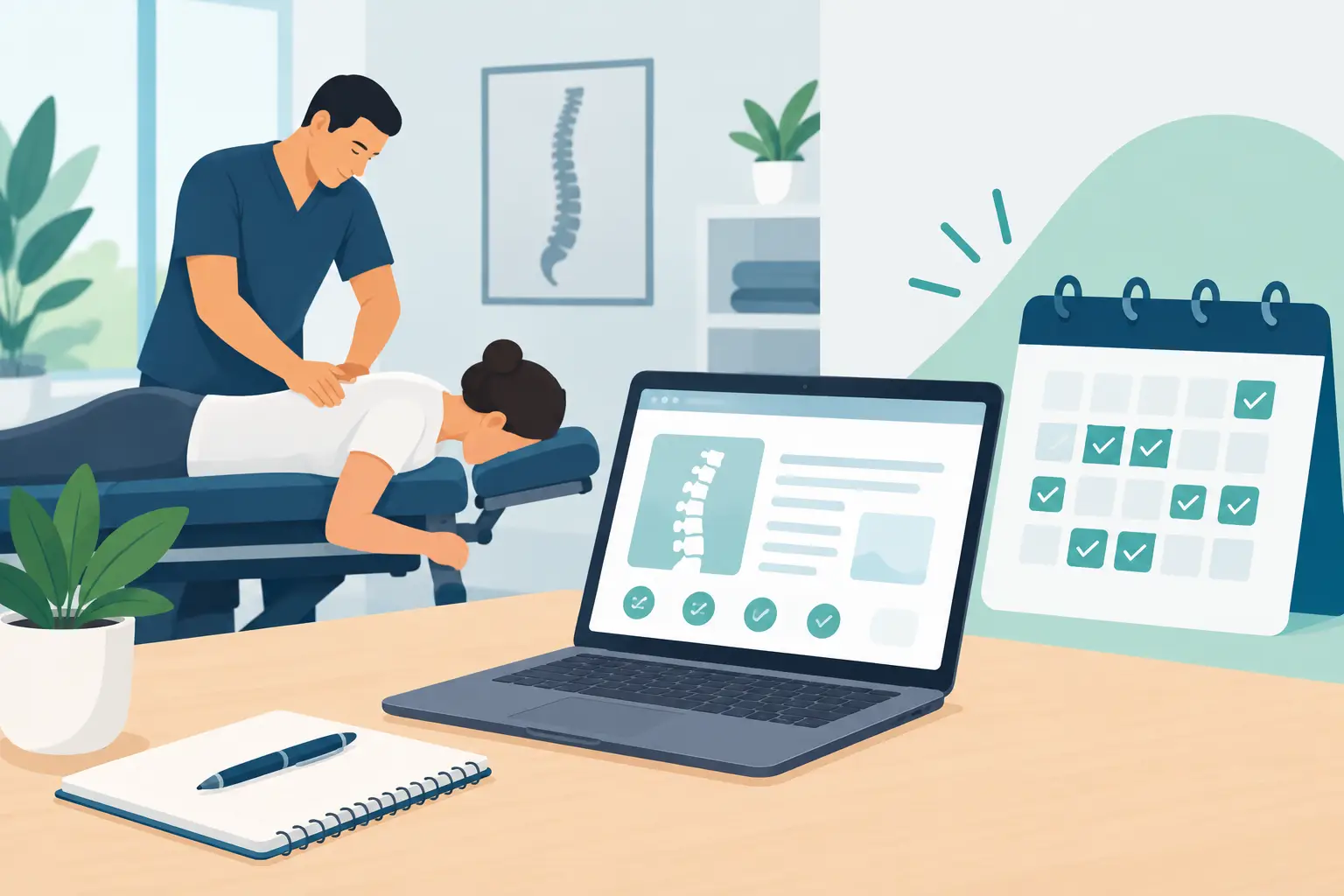
A patient with sharp low back pain does not open Facebook hoping to find a chiropractor. They open Google and type “chiropractor near me.” That distinction sits at the heart of chiropractic Google versus Facebook ads. One platform captures immediate demand. The other creates demand, earns attention, and keeps your clinic visible before a patient feels urgency.
Practice owners lose money when they force both channels to do the same job. Google Ads and Facebook Ads can both produce new patient leads, but they attract different people, require different creative, and should be judged by different performance standards. The winning question is not, “Which platform is cheaper?” It is, “Which channel moves this practice closer to its growth target?”
Chiropractic Google Versus Facebook Ads: The Core Difference
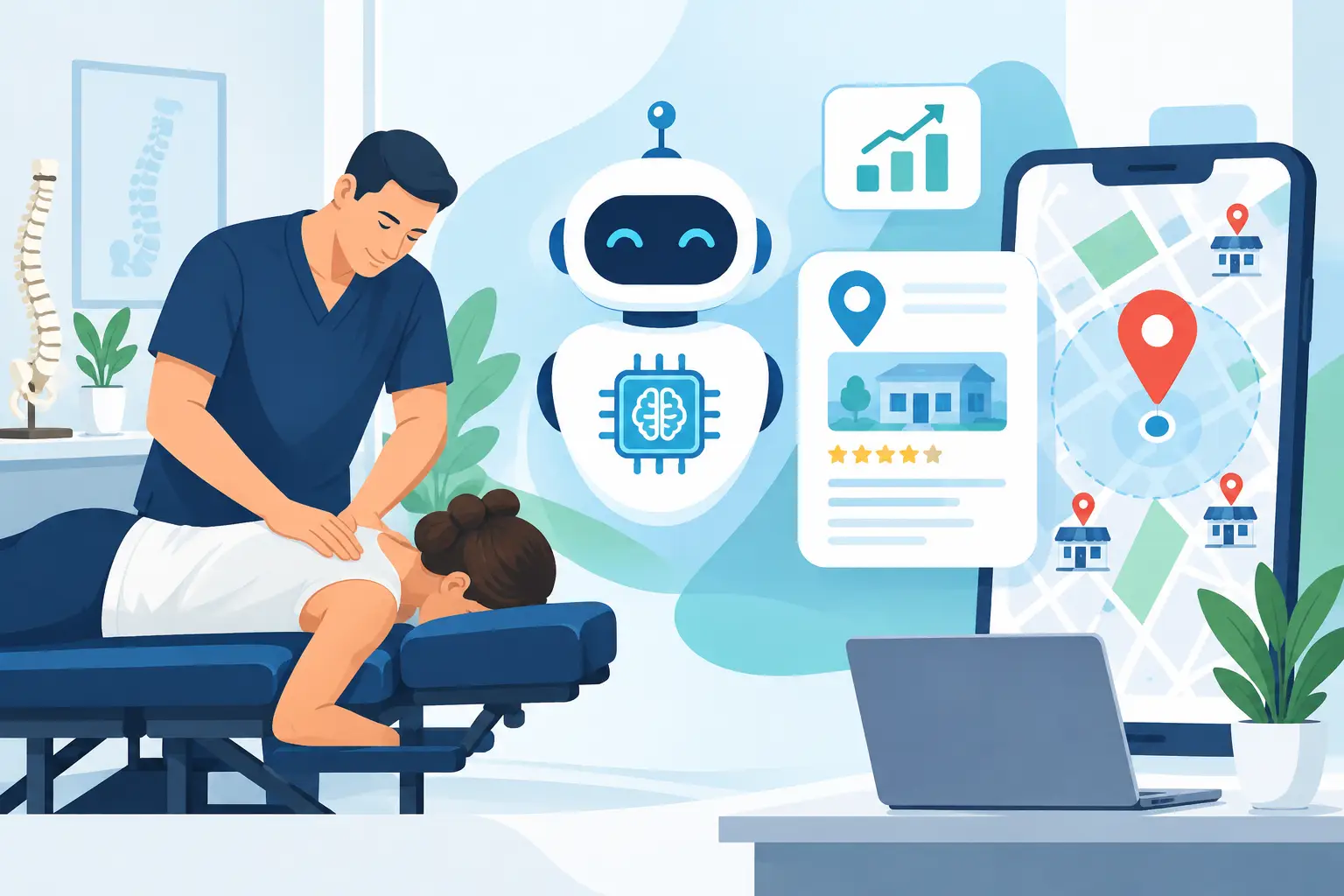
Google Ads are intent-driven. A prospective patient is actively searching for a solution, often using phrases such as “chiropractor open now,” “sciatica chiropractor,” “car accident chiropractor,” or “pediatric chiropractor near me.” They have a problem, they are looking for a provider, and your clinic has an opportunity to appear at the exact moment the decision is being made.
Facebook Ads are interruption-driven, though “interruption” should not be mistaken for ineffective. A local parent scrolling through Facebook may not be searching for chiropractic care at that moment. But a strong ad about headaches, desk-related pain, pregnancy comfort, sports performance, or family wellness can make your clinic relevant before they begin a formal search.
Google is usually the faster route to high-intent appointment requests. Facebook is often the better environment for awareness, trust-building, retargeting, and reaching people whose need is real but not yet urgent. A practice that understands this difference can stop chasing vanity metrics and start building a patient acquisition system.
When Google Ads Should Lead Your Patient Acquisition
If your clinic needs more new patients now, Google Ads should generally be the first paid channel under consideration. Search campaigns put your practice in front of people who are already raising their hands. That is a major competitive advantage in a crowded local market.
A well-built Google campaign does more than bid on “chiropractor near me.” It separates high-value services and patient needs into focused campaigns. Personal injury, disc issues, sports chiropractic, prenatal care, neuropathy, decompression, and same-day appointments all attract different searches and deserve different messaging when they are meaningful services for your practice.
The path from search to scheduled visit must also be tight. If an ad promises fast relief but leads to a generic homepage with no obvious appointment option, your budget will leak. The landing page needs a clear offer, persuasive proof, prominent call options, a fast mobile experience, and a frictionless form. Paid search cannot compensate for a website that looks dated, loads slowly, or gives anxious patients no reason to choose you over the clinic down the street.
Google Ads also demand disciplined conversion tracking. Calls, appointment requests, booked visits, and actual show rates are more meaningful than clicks. A campaign producing 40 leads is not automatically better than one producing 18. If the 18 leads become 12 new patients and the 40 leads generate mostly missed calls or price shoppers, the lower-volume campaign may be the real growth engine.
Google does have trade-offs. High-intent keywords can be expensive, especially in aggressive metro markets. Your clinic may compete with large multidisciplinary practices, personal injury clinics, franchises, and nearby chiropractors willing to overspend just to maintain visibility. Smart campaign structure, negative keywords, geographic targeting, ad scheduling, and landing page quality matter because every wasted click is budget your competitors do not have to earn.
Google Ads Are Best for These Goals
Google is usually the stronger choice when you need immediate lead volume, want to target high-intent service searches, have a clear front-desk process for answering calls, and can convert demand with a credible website. It is particularly powerful for established clinics that have strong reviews, recognizable local authority, and capacity to serve more patients quickly.
Where Facebook Ads Create a Competitive Advantage
Facebook Ads work differently. They win when the message is visual, emotionally relevant, and easy to understand in seconds. A patient may not know that their recurring headaches, postural strain, mobility limitations, or pregnancy-related discomfort are reasons to consider chiropractic care. Facebook gives your clinic a chance to educate them before the search begins.
This makes creative quality non-negotiable. Generic stock photography, vague “feel better” claims, and discount graphics that look like every other local clinic ad will not build a premium practice. Your ads should look like your brand: confident, professional, recognizable, and patient-centered. Video from the clinic, doctor-led education, patient-friendly visuals, and clear explanations of what to expect can create familiarity that generic advertising never earns.
Facebook is also exceptionally useful for retargeting. Many visitors will check your website, read reviews, or browse service pages without booking immediately. Retargeting lets you remain present as they consider options. The message should not simply repeat the original ad. It should reduce hesitation with social proof, an introduction to the doctor, a clear first-visit explanation, or a direct invitation to schedule.
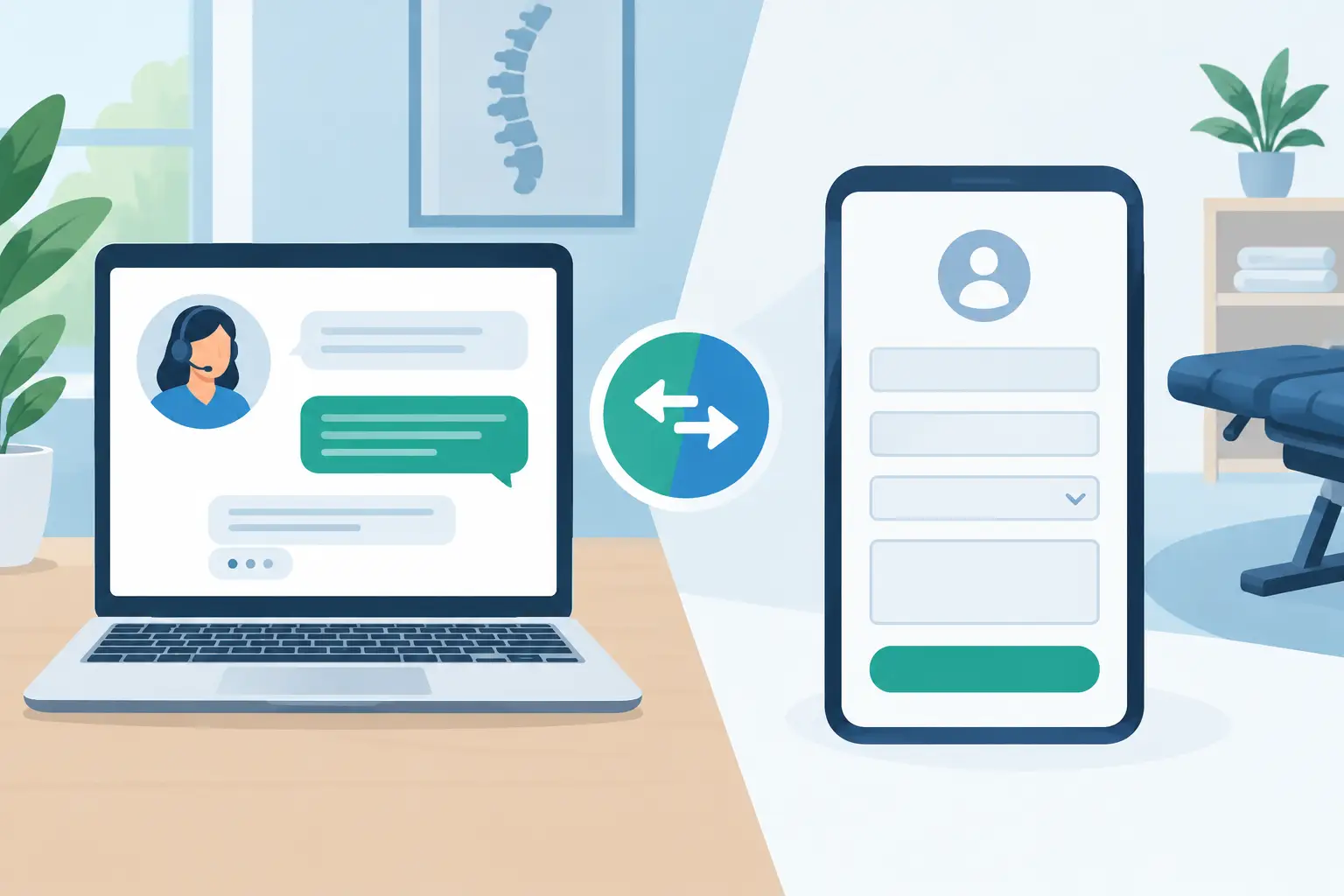
Lead-form campaigns can produce a high volume of inquiries, but volume needs context. Facebook leads are usually lower intent than Google leads because the platform makes it easy to submit a form without making a firm appointment decision. That does not make them bad leads. It means your follow-up system has to be fast, organized, and persistent.
A Facebook lead called two hours later is already cooling off. A lead contacted within minutes, with a helpful script and a simple path to book, has a far better chance of becoming a patient. If your front desk cannot respond promptly, a lower-cost lead can become an expensive distraction.
Facebook Ads Are Best for These Goals
Facebook is especially valuable when your clinic wants to build local recognition, introduce a new doctor or location, promote a defined offer, educate patients about a specialty, or keep its brand in front of past website visitors. It is also a smart channel for practices in markets where Google click costs have climbed beyond a profitable threshold.
Do Not Compare Cost Per Lead Without Comparing Quality
The most common reporting mistake in chiropractic advertising is comparing Google and Facebook only by cost per lead. Facebook often wins that contest. But a $20 lead that never answers a call is not more valuable than a $75 Google lead who schedules, arrives, starts care, and refers a spouse.
Your real scoreboard should include cost per booked appointment, show rate, conversion to care plan, patient value, and revenue generated by campaign source. Those numbers reveal whether a channel is producing names or producing patients.
There is another layer: service mix. A clinic focused on acute pain and same-week appointments may place more budget into Google because urgency drives the business model. A wellness-oriented family practice may benefit from Facebook’s ability to build trust over time. A mature multi-provider office may use both, with Google capturing active demand and Facebook supporting market visibility, retargeting, and long-term category leadership.
The Best Strategy Is Usually Not Either-Or
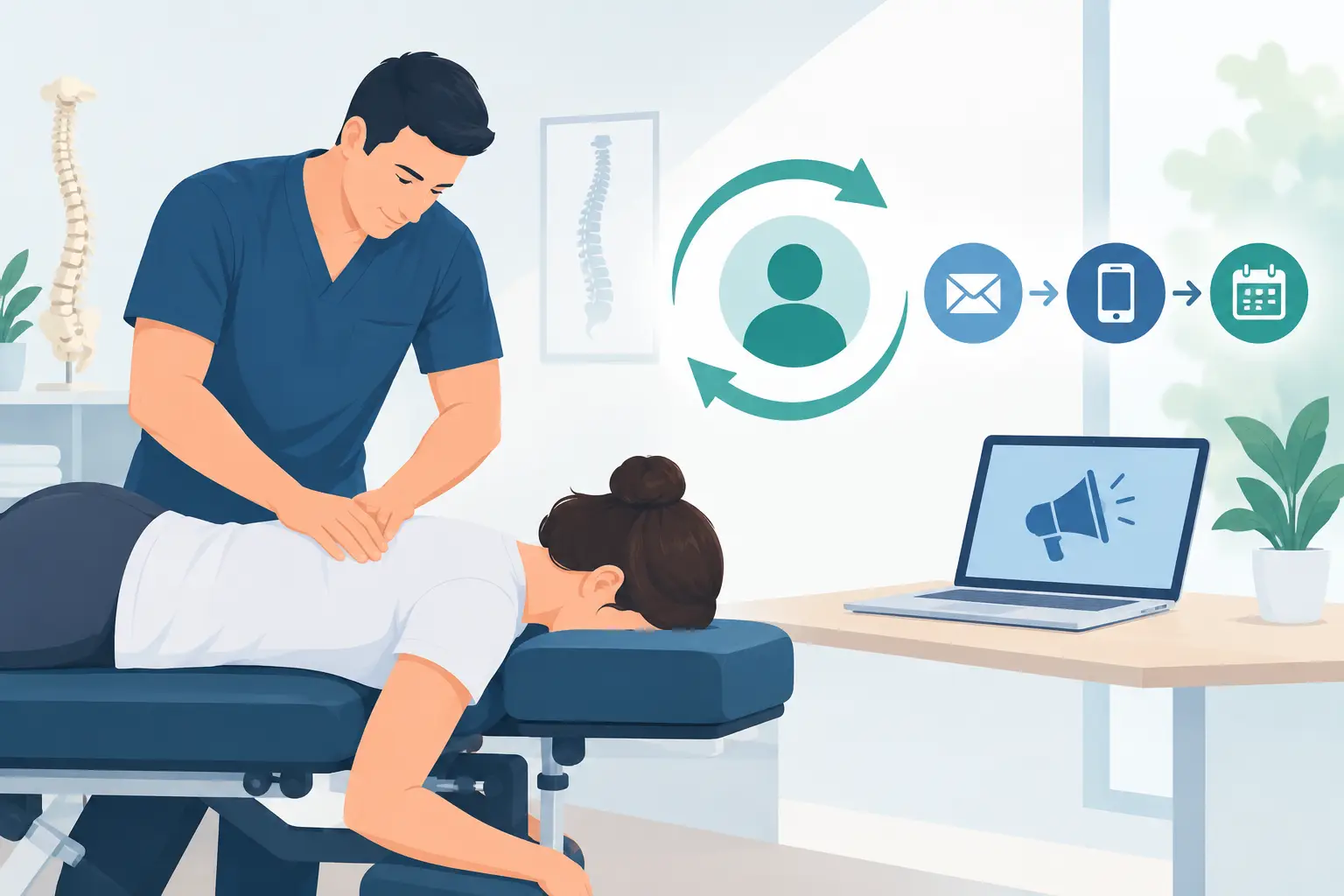
For many growth-minded practices, the strongest approach is a coordinated paid media strategy. Google Ads capture the patient searching today. Facebook Ads create recognition among the people who may search next month. Retargeting keeps your clinic visible when patients hesitate. Your website, reviews, branding, and front-desk systems convert that attention into visits.
Budget allocation should follow performance, not habit. A practice might begin with Google as the primary acquisition engine and reserve a smaller Facebook budget for awareness and retargeting. Once tracking shows that Facebook-generated patients are booking and starting care at an acceptable cost, spend can expand. If Google search volume is limited in your area, Facebook may become more important, but it still needs a compelling offer and rapid follow-up.
MyChiroPractice builds chiropractic campaigns around the full patient journey because an ad platform alone does not create market leadership. The message, the creative, the landing page, the local reputation, and the patient experience all determine whether paid traffic becomes sustainable growth.
Your competitors are not waiting for the perfect marketing plan. They are appearing when local patients search, showing up in social feeds, and collecting the leads your clinic could have earned. Start by identifying where your current patient demand is being lost, then put the right ad channel to work with a system built to convert it.