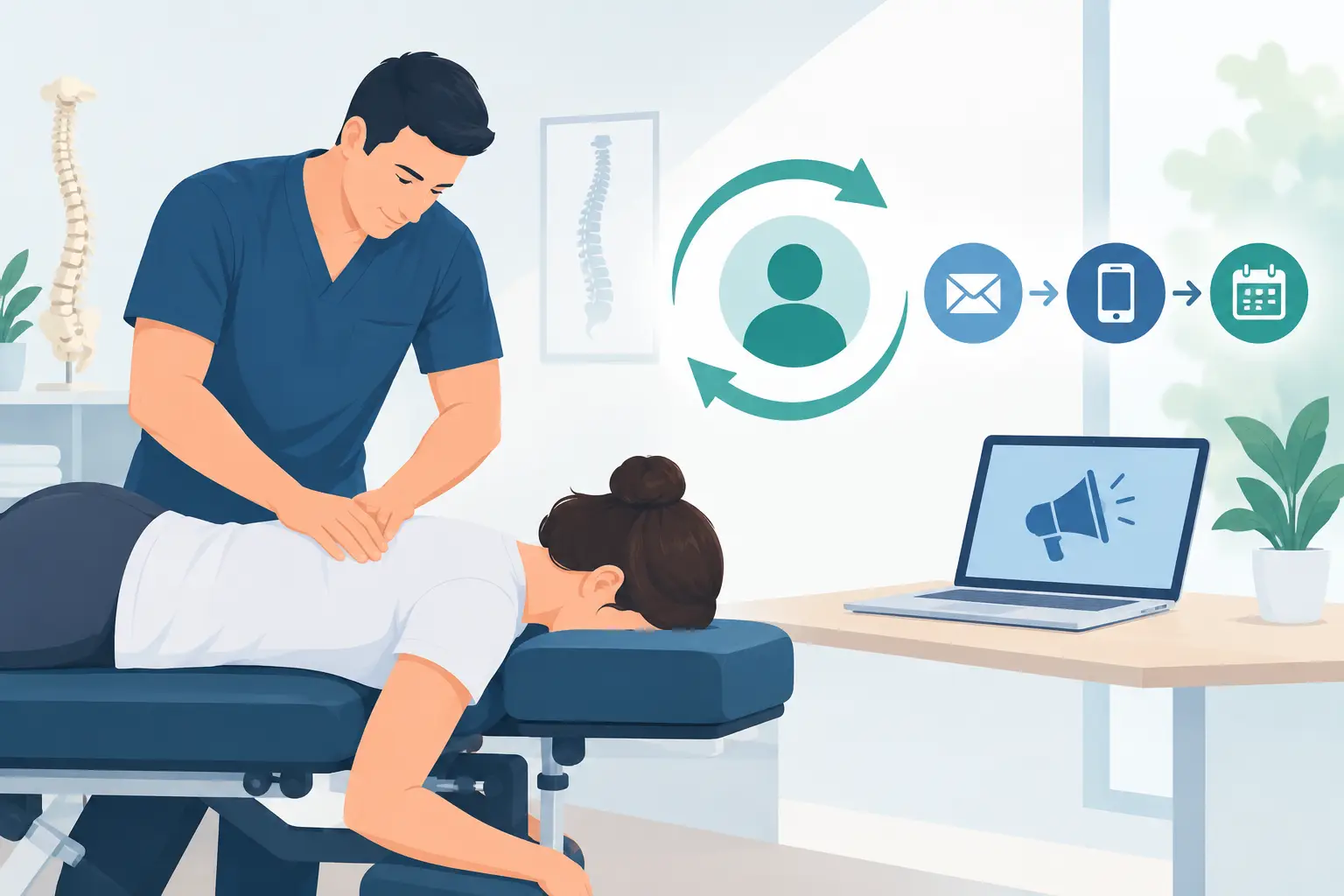
A weak offer can make a high-performing website, Google Ads campaign, or social ad look broken. Prospective patients may be interested in care, but they are not always ready to call a chiropractor the first time they see your practice. The best chiropractic lead magnets give them a useful reason to raise their hand now, while giving your clinic the opportunity to build trust, answer objections, and move them toward a scheduled new patient appointment.
For chiropractic practices, the goal is not to collect a pile of low-intent email addresses. The goal is to generate qualified local leads who have a real problem, fit your care model, and are likely to become patients. That requires an offer with a clear connection to the concerns your ideal patients already feel in their daily lives.
What Makes a Chiropractic Lead Magnet Worth Running?
A lead magnet should solve a small, immediate problem. It should not attempt to explain every aspect of chiropractic care, your philosophy, or the entire spine. Patients want clarity before they want a lecture.
The strongest offers are specific, visual, easy to consume, and tied directly to a next step. A generic ebook called “The Benefits of Chiropractic” rarely creates urgency because it could belong to any clinic in any city. A resource called “5 Desk Habits Making Your Neck Pain Worse” speaks to a recognizable issue and creates a natural bridge to an evaluation.
Your offer also has to match the traffic source. Someone searching Google for “chiropractor near me” may be ready for an appointment and needs a direct booking path, not a downloadable guide. Someone seeing a Facebook ad about recurring headaches may need more education first. Lead magnets work best when they capture demand that is interested but not yet appointment-ready.
7 Best Chiropractic Lead Magnets for Local Patient Growth
1. The Symptom-Specific Relief Guide
A concise guide focused on one high-demand complaint is one of the most effective ways to attract relevant leads. Think lower back pain, neck pain from desk work, sciatica-like symptoms, headaches, pregnancy discomfort, or sports-related mobility issues.
The guide should help patients understand common contributors, practical self-care steps, and warning signs that mean they should seek professional evaluation. Keep the language patient-friendly and avoid making promises that create compliance or credibility problems. The final section should explain how your practice evaluates that complaint and invite the reader to schedule.
This approach works because specificity signals relevance. A patient with persistent neck tension is far more likely to exchange contact information for a resource that appears built for their situation than for broad wellness content.
2. The Desk Posture and Mobility Assessment
Office workers are a major opportunity for many practices, especially in competitive suburban and metro markets. A posture-focused lead magnet can be a downloadable self-assessment, a short quiz, or a printable workstation checklist.
The best version does more than tell people to “sit up straight.” It identifies common patterns, such as monitor height, unsupported lower backs, repeated phone use, and lack of movement during long work blocks. It gives useful recommendations while showing patients why recurring discomfort deserves a more complete assessment.
A quiz format can be especially effective in paid social campaigns because it feels personalized. The trade-off is that quizzes need stronger follow-up automation and a more polished user experience than a simple PDF. If your team cannot respond quickly, start with a straightforward guide and a high-converting thank-you page.
3. The New Patient First-Visit Guide
Fear of the unknown stops many qualified prospects from booking. They wonder what happens during a first visit, whether they will be pressured into a long plan, what to wear, how long the appointment takes, and whether their issue is something your office treats.
A first-visit guide removes friction at the decision point. It can explain your intake process, examination approach, imaging policy when applicable, financial options, and what patients can expect after their initial evaluation. This is particularly valuable for practices with premium positioning, specialized techniques, or a distinct care experience that competitors do not communicate well.
Do not turn this into a brochure about your clinic. Build it around patient concerns. Clear expectations create confidence, and confidence creates booked appointments.
4. The Headache Trigger Tracker
Headaches are common, disruptive, and often searched by people who have not yet considered chiropractic care. A simple tracker helps prospects record sleep, hydration, screen time, stress, posture, meal timing, and headache patterns over one or two weeks.
This lead magnet is useful because it gives the patient something actionable while producing a stronger conversation when they come into the office. The patient arrives with observations instead of vague frustration. Your team can use that information to guide a more informed discussion about their symptoms and goals.
Be careful with clinical claims. Position the tracker as an educational tool, not a diagnostic instrument. Your marketing should build trust, not overreach.
5. The Family Backpack and Screen-Time Checklist
For family-focused practices, pediatric and parent-centered education can create a powerful niche. A backpack safety checklist, screen-time posture guide, or school-year mobility routine gives parents a timely reason to engage with your brand.
Seasonality matters here. Run backpack offers in late summer and early fall. Pair screen-time resources with January routines, back-to-school messaging, or periods when parents are concerned about increased device use. A relevant campaign consistently outperforms a generic message because it enters the conversation patients are already having at home.
This lead magnet is not right for every office. If your brand is built around athletes, workplace injuries, or corrective care, forcing family content can dilute your positioning. Lead generation should reinforce your market identity, not distract from it.
6. The Local Injury Prevention Guide
A local angle can make a familiar topic more compelling. Create a guide for runners training for a nearby race, golfers preparing for the season, gardeners returning to weekend projects, or recreational athletes dealing with repetitive strain.
The strongest version is not simply a list of stretches. It explains how to prepare, what movement mistakes commonly lead to setbacks, and when discomfort should be evaluated rather than ignored. Use professional visuals and clear branding so the resource reinforces the quality of your practice.
This offer works especially well when supported by Google Ads, community partnerships, short-form social content, and an optimized local landing page. One lead magnet should not carry the full marketing burden. It needs a campaign around it.
7. The “Is It Time to See a Chiropractor?” Self-Check
This is a high-intent lead magnet for patients who are close to booking but still uncertain. A brief self-check can ask about symptom duration, pain patterns, activity limitations, prior episodes, and whether discomfort is affecting work, sleep, exercise, or family life.
At the end, avoid pretending to diagnose the patient. Instead, provide an appropriate result such as: “Your answers suggest an evaluation may help you better understand what is contributing to your discomfort.” Then place the appointment option directly in front of them.
This is one of the best chiropractic lead magnets for retargeting campaigns. It gives website visitors who did not schedule a lower-pressure way to re-engage with your practice.
The Follow-Up Is Where Lead Value Is Won or Lost
Most chiropractic offices do not have a lead magnet problem. They have a follow-up problem. A prospect downloads the guide, receives a generic email, and disappears into a spreadsheet while the clinic keeps paying for more leads.
Every lead magnet needs a defined conversion path. The first message should deliver the resource immediately. The next messages should reinforce the problem, answer common concerns, introduce your care approach, and make a direct invitation to schedule. If your front desk calls leads, provide a simple script that references the exact resource they requested. A lead who downloaded a headache tracker should not receive a vague call asking whether they are “interested in chiropractic.”
Speed matters. A same-day response can separate your practice from competitors who take two days to react. Your staff also needs a clear definition of a lead, a booking process, and a way to track which offers produce actual new patients, not just downloads.
Build Offers That Strengthen Your Brand, Not Just Your List
A lead magnet is part of your patient acquisition system. The landing page, ad creative, follow-up messages, booking experience, and in-office patient education must feel connected. If the ad promises a premium, expert-guided experience but the downloadable guide looks generic, prospects notice the mismatch.
MyChiroPractice helps clinics build growth campaigns that connect professional chiropractic branding with conversion-focused websites, local visibility, paid advertising, and patient education that continues inside the office. The objective is not more marketing activity. It is more qualified new patients and a stronger position in your market.
Start with one offer tied to the patient group you want more of. Build a clear follow-up sequence, measure appointments rather than downloads, and improve the campaign based on real patient behavior. The practice that turns interest into timely conversations will keep taking market share while competitors are still counting clicks.