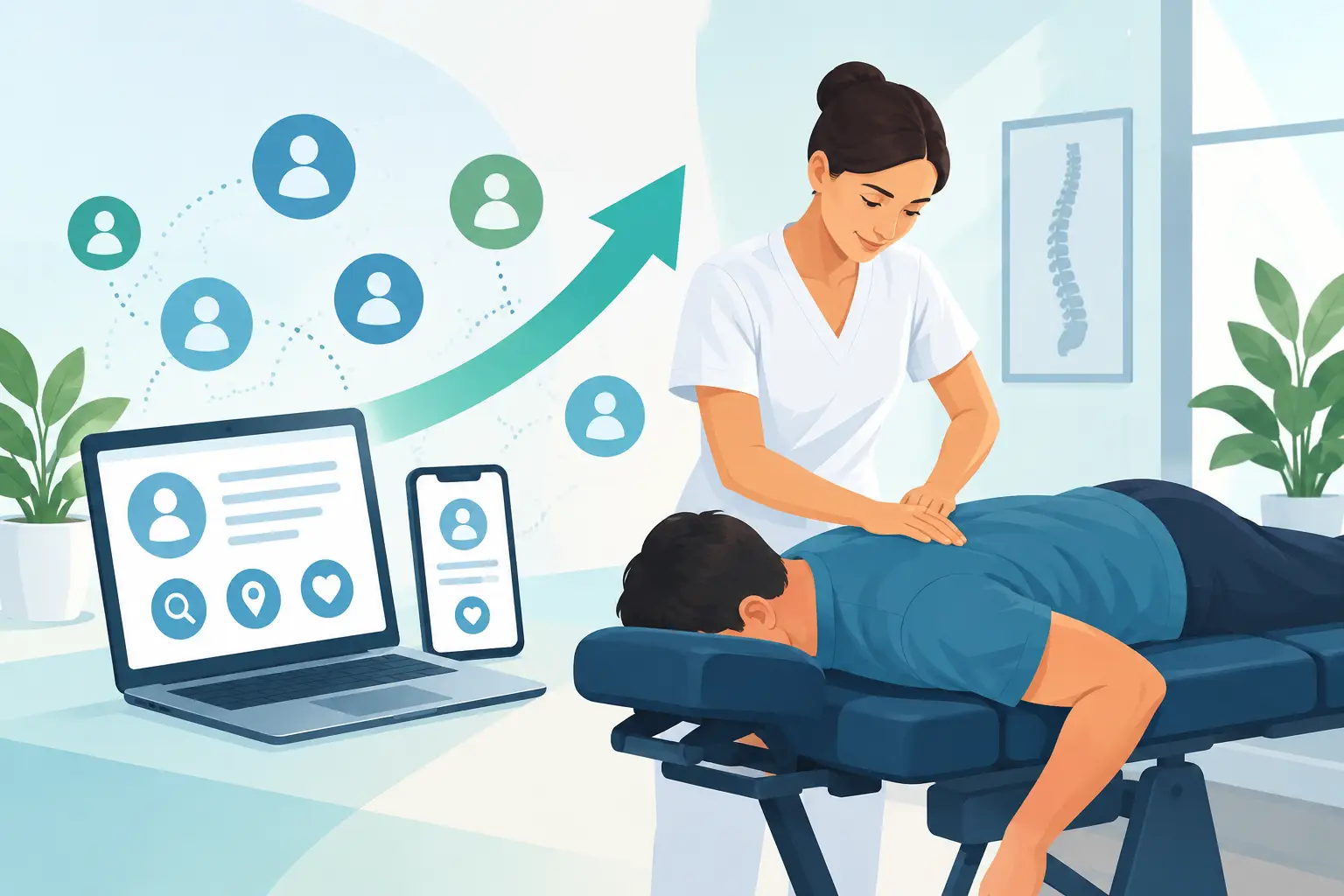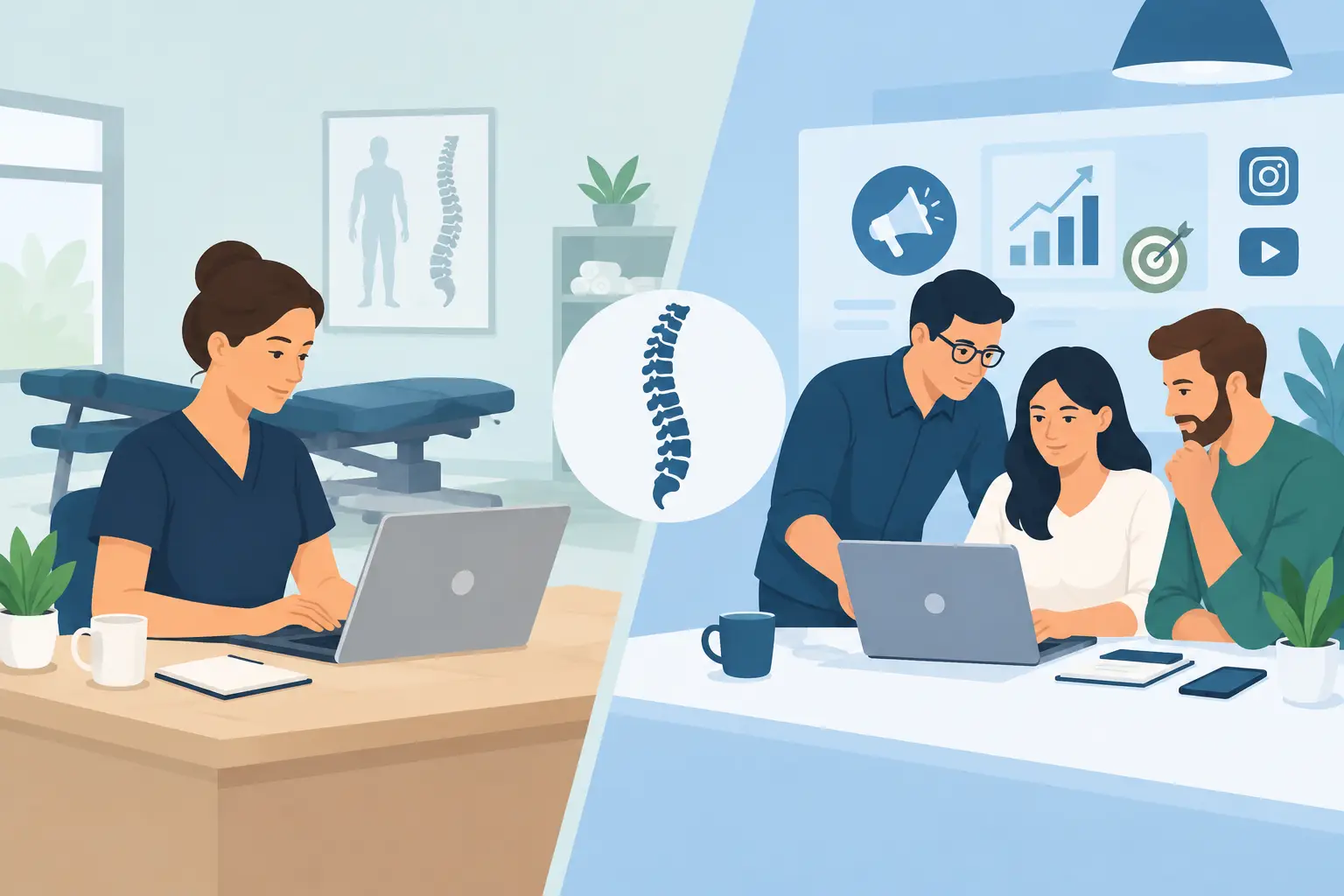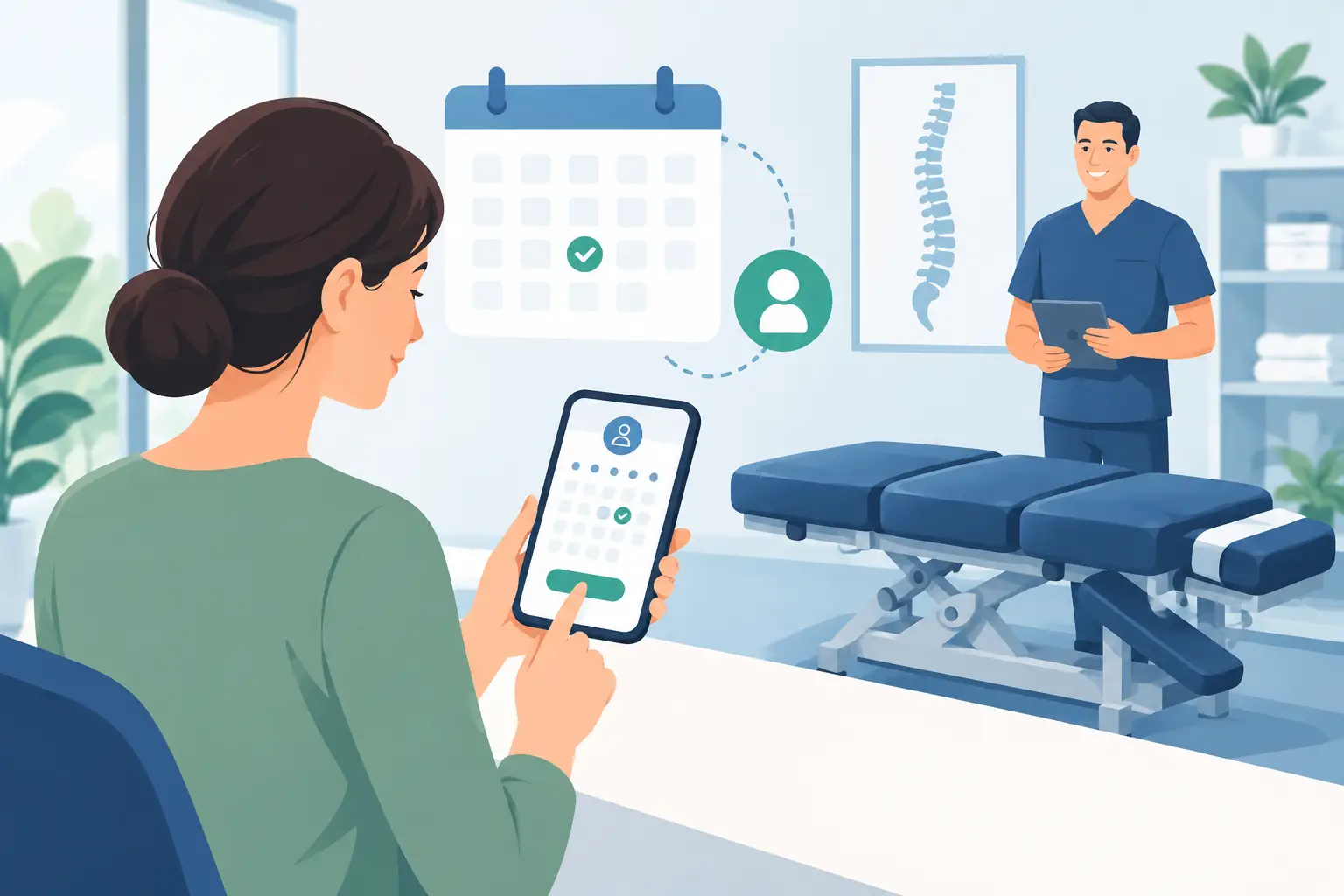
A patient searching “chiropractor near me” with acute back pain is not in the same buying mode as someone scrolling Facebook after a long day at work. Treat those two prospects the same, and your ad budget gets diluted fast. The real answer to which chiropractic ads convert best is not one channel or one clever offer. It is the ad that matches a patient’s intent, urgency, and confidence level, then sends them to a page built to turn attention into an appointment.
For clinics focused on sustainable patient volume, high-converting advertising is less about chasing cheap leads and more about winning qualified new patients before a competitor does.
Which chiropractic ads convert best? Start with intent
Google Search ads usually produce the strongest immediate conversion rates because the patient has already raised their hand. They are searching for terms such as “chiropractor near me,” “chiropractor for sciatica,” “car accident chiropractor,” or “same-day chiropractic appointment.” The pain point is active. The need is specific. Your job is to show up with a credible, relevant answer at the exact moment a decision is being made.
That does not mean every Google campaign is profitable. Broad keywords, weak location targeting, and generic headlines can burn through budget without producing a single booked visit. A clinic advertising on “back pain treatment” across an entire metro area may pay for researchers, students, and patients outside its realistic service radius. A tighter campaign built around treatment intent, neighborhoods, insurance or cash-payment clarity, and fast scheduling will normally perform better.
The winning message is rarely complicated. It communicates that you treat the condition, you are conveniently located, you have a credible clinical team, and getting started is easy. If your practice offers same-day availability, accident care, family care, prenatal chiropractic, or sports injury support, feature the service only when the corresponding search demand exists. Relevance improves both lead quality and advertising efficiency.
Google Search ads win urgent patient demand
For many practices, paid search should be the foundation of a new-patient acquisition strategy. It is especially effective for high-intent service lines where patients are motivated to act quickly: acute pain, auto accidents, work injuries, disc-related symptoms, sciatica, and local “near me” searches.
A conversion-focused Google ad campaign requires more than keywords. It needs disciplined account structure. Separate accident care from general chiropractic care. Separate condition-based searches from branded searches. Use location language that reflects how patients identify your market, whether that is a city, suburb, or recognizable neighborhood.
Your landing page matters just as much as the ad. Sending paid traffic to a generic homepage is one of the most expensive mistakes a clinic can make. The page should continue the exact conversation started in the ad. An ad about sciatica should lead to a sciatica-focused page with clear symptoms, your clinical approach, provider credibility, patient-friendly expectations, and one dominant action: call, request an appointment, or book online.
A strong page also removes silent objections. Patients want to know where you are, whether you accept their insurance or offer an accessible new-patient option, what the first visit involves, and whether they can trust the people treating them. Professional design, real clinic photography, authentic reviews, and clear provider information are not cosmetic details. They are conversion assets.
Facebook and Instagram ads create demand before the search
Meta ads tend to generate lower-intent leads than Google Search, but they can be powerful when the objective is market visibility, list growth, reactivation, or reaching people who have not yet started looking. They work best when the practice understands that social advertising is interruption marketing. You are earning attention before the patient decides they need you.
The highest-converting chiropractic social ads often lead with a familiar problem rather than a clinical label. A desk worker may respond to a message about recurring neck tension, headaches, or stiffness after long hours at a screen. A parent may respond to a message about posture, mobility, and staying active. An athlete may respond to a message centered on performance, recovery, or movement confidence.
The trade-off is lead quality. A heavily discounted introductory offer can create volume, but it may also attract price shoppers who do not value a care plan or fail to show for their visit. That does not make offers ineffective. It means the offer must align with your practice model and follow-up capacity.
Clinics that want stronger patients should sell the outcome and experience, not just the discount. Use patient-centered creative, explain who the practice serves, and make the next step feel low-friction. A new-patient special can still work, but it should be positioned within a professional clinical brand, not as a desperate coupon.
Retargeting ads often deliver the cheapest conversion lift
Not every prospective patient books on the first visit to your website. They may compare reviews, check their schedule, ask a spouse, or simply get distracted. Retargeting keeps your clinic visible to people who have already shown interest, including website visitors, online booking abandoners, engaged social followers, and former patients who have fallen out of care.
These ads generally do not create demand on their own. Their value comes from following up on demand you already paid to generate. A patient who clicked a Google ad, read your page, and left without booking may only need a reminder about same-week appointments, a provider introduction, or a simple invitation to call the office.
Retargeting should feel helpful, not repetitive. Rotate creative. Feature your doctors, patient reviews, office environment, and relevant services. Keep the audience windows practical. Someone who visited yesterday needs a different message than someone who last interacted with your practice six months ago.
The offer is not the ad strategy
Many chiropractic owners ask whether a free consultation, discounted exam, complimentary massage, or new-patient special converts best. The honest answer is that the offer cannot rescue weak positioning.
A compelling offer can increase response, particularly in crowded markets. But if the ad is unclear, the clinic brand feels dated, the landing page looks generic, or the front desk takes hours to respond, conversion will suffer. Advertising exposes every weak link in your new-patient experience.
Before increasing spend, confirm that your team can answer calls quickly, respond to form leads within minutes rather than hours, and track whether leads actually book, show, start care, and remain active. A campaign with a higher cost per lead can be far more profitable if those patients show up and become care-plan patients. Cheap leads that never arrive are not a marketing win.
Build ads around the patient journey
The most effective chiropractic ad mix uses each platform for its natural job. Google Search captures active demand. Facebook and Instagram introduce your practice to qualified local audiences and reinforce your brand. Retargeting brings interested prospects back when they are ready to act. Local SEO strengthens the entire system by helping your practice appear credible when patients research you after seeing an ad.
Creative consistency is a competitive advantage. The logo, colors, provider imagery, claims, and patient education in your ads should feel like the same practice patients encounter on your website and in your office. When the experience is fragmented, trust drops. When it is consistent, your clinic becomes easier to remember and easier to choose.
Track calls, forms, online bookings, scheduled appointments, show rates, and new-patient revenue by campaign. Do not optimize only for clicks or lead count. The clinics that gain market share are the ones that know which ads produce actual patients, not just dashboard activity.
MyChiroPractice approaches paid acquisition as part of a complete growth system: strategic positioning, conversion-focused web design, local visibility, advertising discipline, and patient education that supports confidence after the first visit. That is how a practice stops competing on noise and starts building a recognizable local healthcare brand.
Your best ad is the one that reaches the right patient with the right message, gives them a clear reason to trust your clinic, and makes booking the obvious next move. Audit that path before your competitors take another lead that should have been yours.