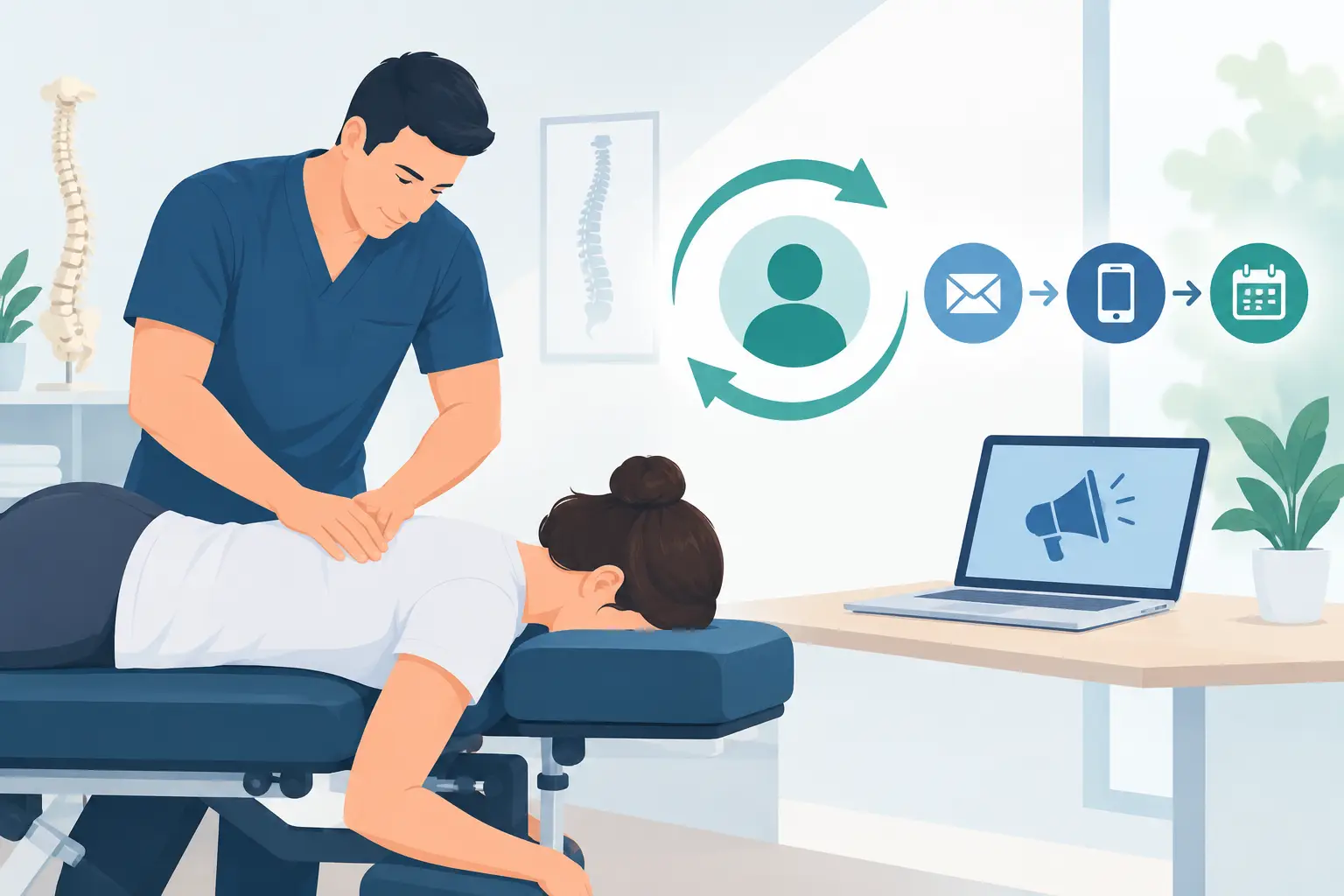
A patient sits in your reception area for six minutes before their first exam. They notice the front desk, the screens, the wall art, and the materials within reach. Chiropractic brochures can either reinforce the decision they have already made to trust your clinic or create another moment of uncertainty with generic copy, outdated visuals, and vague promises.
That is not a small branding issue. It is a patient-conversion issue. A well-designed brochure gives prospective patients language for their symptoms, answers the questions they may be too nervous to ask, and makes your recommendation feel more credible after the appointment. It can also keep your practice top of mind when a patient talks to a spouse, coworker, or friend who needs help.
Why Chiropractic Brochures Still Matter
Digital marketing earns the click. Your website, local SEO, Google Ads, reviews, and social campaigns create the opportunity to bring a prospect into the building. But the physical clinic experience determines whether your marketing promise feels real.
Brochures are often dismissed as old-school collateral because they do not produce an instant dashboard metric. That is the wrong test. Their job is to increase understanding at high-value moments: while a new patient waits, after an exam, during a care-plan conversation, at checkout, or when a patient takes something home to discuss with family.
A brochure is especially valuable when your care recommendations involve education and commitment. A patient who understands why posture, repetitive strain, spinal function, mobility, or preventive care matters is better prepared to see the value in following through. The goal is not to pressure people into care. The goal is to communicate clearly enough that they can make an informed decision.
For established practices, professional print collateral also signals scale. It tells patients they chose an organized healthcare brand, not a clinic improvising its message from one conversation to the next. In a competitive market, visual credibility influences perceived clinical credibility.
What Makes a Brochure Worth Keeping
Most brochures fail for one simple reason: they try to say everything about chiropractic to everyone. The result is dense, generic, and easy to ignore. High-performing brochures are built around a single patient question or a specific next step.
A new patient brochure should reduce anxiety and set expectations. A condition-focused brochure should help a person recognize a relevant problem and understand how your evaluation works. A family wellness brochure should speak to parents differently than an auto-injury or sports-performance piece. One message, one audience, one clear action.
Lead With the Patient Problem
Patients do not wake up wanting a brochure about “comprehensive chiropractic solutions.” They want an answer to a problem that is interrupting work, sleep, exercise, parenting, or everyday movement.
Your headline should reflect that reality. “Neck Pain That Keeps Coming Back?” is more useful than “Welcome to Our Practice.” “What to Expect After a Car Accident” is more compelling than a page of broad claims. Specificity earns attention because the patient immediately knows whether the material applies to them.
Then move from the problem to a clear explanation of your process. Explain what happens during an evaluation, what factors you assess, how recommendations are personalized, and how patients can schedule or ask questions. Avoid dramatic promises or language that implies a guaranteed outcome. Strong marketing builds confidence without compromising clinical judgment.
Make the Design Match Your Positioning
Patients make fast judgments about quality. A brochure with mismatched fonts, stock imagery that feels unrelated to your community, cramped copy, and low-resolution printing sends a message before anyone reads a word.
Your logo, color palette, typography, photography, and voice should align with your website, signage, social media, and patient education displays. Consistency makes your practice easier to remember. It also creates a familiar experience for the patient who first found you on Google, then sees your brochure at the front desk, then receives a follow-up email from your team.
Premium design does not mean filling every panel with decoration. It means using hierarchy. Give the headline room to work. Use clear subheads. Make the most important takeaway easy to find. Include enough white space that the brochure feels useful rather than overwhelming.
Give Patients a Next Step
A brochure without a call to action is a branded handout, not a conversion tool. Tell the reader exactly what to do next: schedule an evaluation, ask the doctor about a care plan, scan the office’s contact information, refer a family member, or pick up a related guide.
The right call to action depends on where the brochure appears. A piece displayed in a local business may invite a new-patient appointment. A brochure handed out after a report of findings may encourage questions about recommended care. A take-home referral piece can make it simple for patients to share your practice details with someone they care about.
Do not bury your phone number or make patients hunt for your location. Clear contact details and a direct action are basic requirements, not an afterthought.
The Best Uses for Chiropractic Brochures
Brochures perform best when they support a deliberate patient journey rather than sit untouched in a rack. Start by identifying the conversations your team repeats every week. Those questions are your content opportunities.
A new patient welcome brochure can explain office procedures, what to bring, and what happens across the first visits. A spinal health or posture brochure can reinforce education discussed during an adjustment. A personal injury brochure can help patients understand why timely evaluation and documentation matter after a collision. A referral brochure can give satisfied patients a polished, easy-to-share introduction to your practice.
For a multi-provider clinic, consider materials that clarify each service line without turning the front desk into a wall of competing messages. If you offer chiropractic alongside rehabilitation, massage, decompression, or injury care, the materials should explain how those services fit together from the patient’s perspective.
It depends on your patient mix. A family-centered practice may need pediatric and wellness education. A clinic competing for athletes may need performance, mobility, and recovery materials. A practice near major commuter routes may see greater value in accident-related education. Your brochures should reflect the market you are actively trying to win.
How to Avoid the Common Brochure Mistakes
The biggest mistake is treating print as a one-time design project. Your message changes as your practice grows, adds services, enters new neighborhoods, adjusts its new-patient offer, or sharpens its positioning. Review your materials at least annually and whenever your brand changes.
Another problem is relying on technical language without context. Clinical terminology can be appropriate, but patients need plain-English explanations first. Explain the benefit, then provide the supporting detail. A brochure should make patients feel more informed, not less qualified to ask questions.
Finally, do not let your team distribute material they have never been trained to use. Give front-desk staff and care coordinators a simple reason to hand out each piece. For example, “This explains what we evaluate after an auto accident,” or “Take this home if you want a clear overview of the next steps we discussed.” That small amount of scripting turns collateral into a natural part of the patient experience.
Build Brochures Into a Larger Growth System
Your strongest brochures will not operate alone. They should echo the messages on your website, answer the questions raised in your paid campaigns, and reinforce the education visible throughout the office. When every touchpoint tells a consistent story, your practice becomes easier to choose and easier to refer.
MyChiroPractice approaches patient education as part of the larger growth engine: attracting qualified leads, building trust when they arrive, and giving patients reasons to stay engaged and share your name. The brochure is not the strategy. It is proof that your strategy reaches beyond the screen.
Look at the materials currently sitting in your office. If they could belong to any chiropractor in any city, they are not helping you lead your market. Give patients something clear, credible, and distinctly yours to take home.